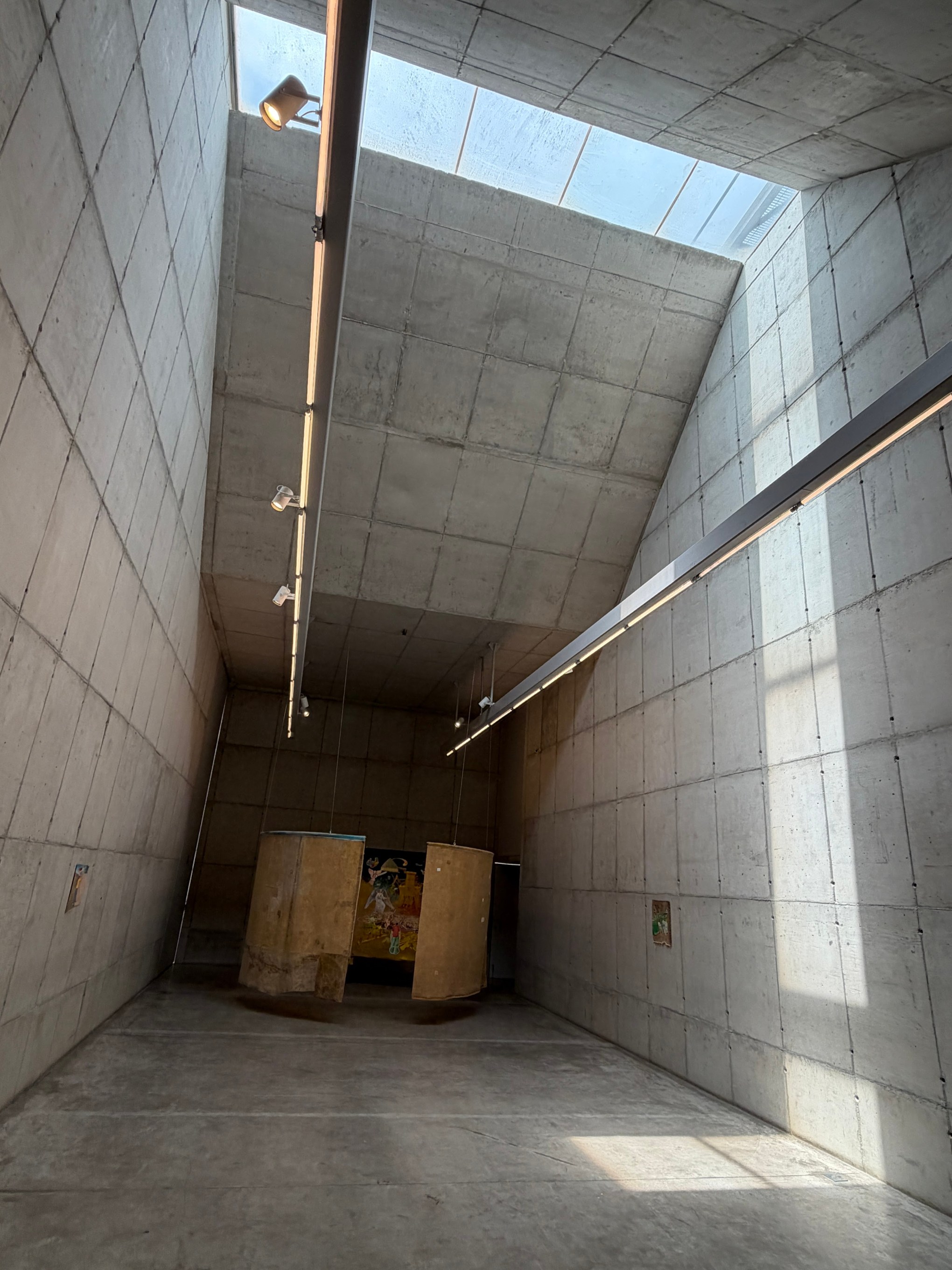
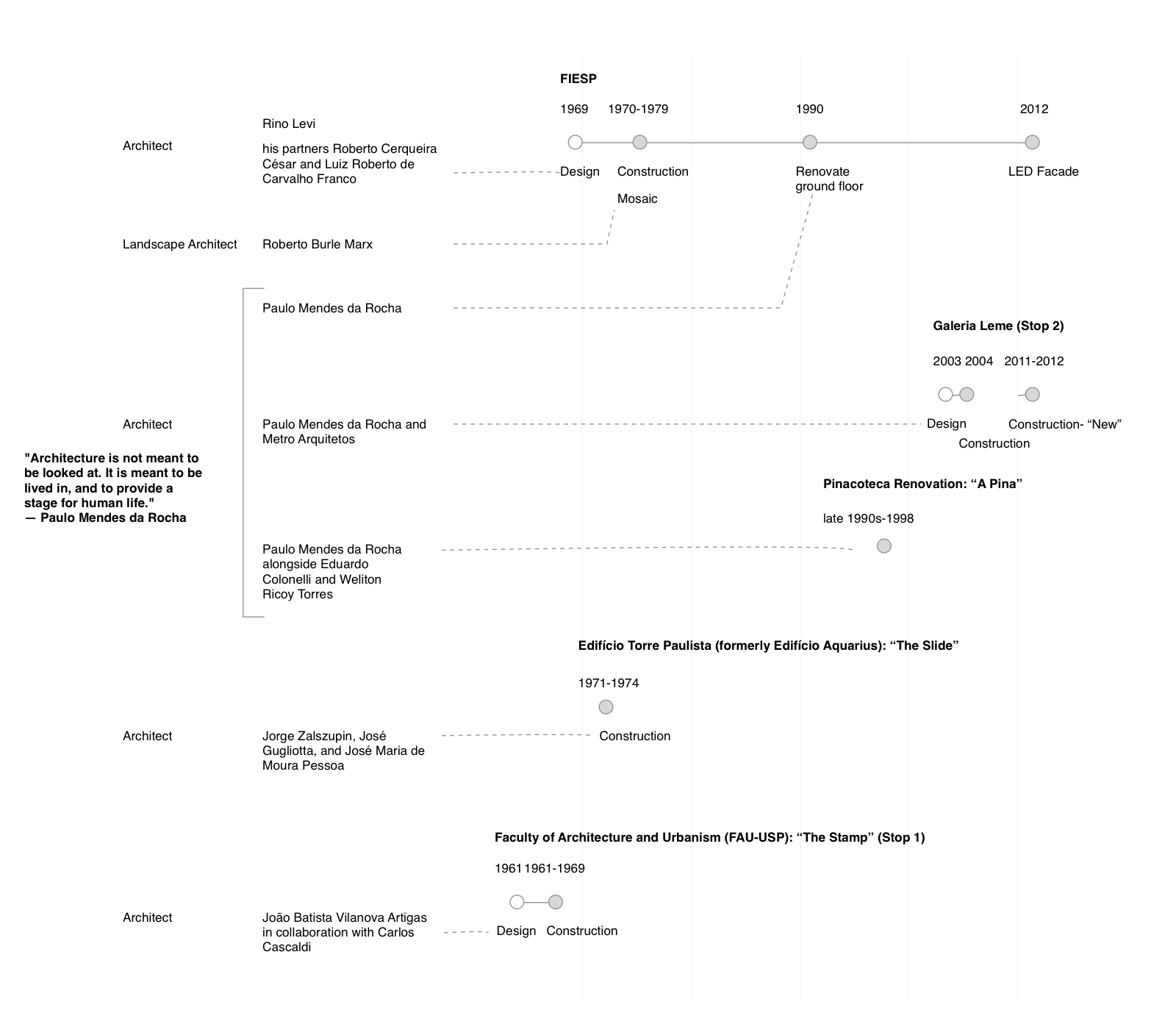
Stop 2 of 8, I start my research and process again with this prompt “who is the architect and when was it designed and constructed”. Somehow I am stuck again wanting to know more facts- that not really a bad thing but I’m just short on time (but really patience).
Mendes da Rocha, who I realize now is same architect as the one who prior to this project opened up the ground space at the FIESP building and renovated A Pina. Artigas seemed to be the thinker and Mendes da Rocha the ambassador. I wondered why Neimeyer is so much more recognizable as a name- the “Carioca” style of his always mentioned in contrast to the Paulista School- and my theory is that he built on the global stage, but the LLM tells me Mendes da Rocha was global. Prompting the LLM more directly to do my own comparison, indeed Neimeyer built in many countries besides Brazil while little work constructed for Mendes da Rocha internationally. Proceed with caution with the AI I tell you.
“Architecture is not meant to be looked at. It is meant to be lived in, and to provide a stage for human life.” — Paulo Mendes da Rocha
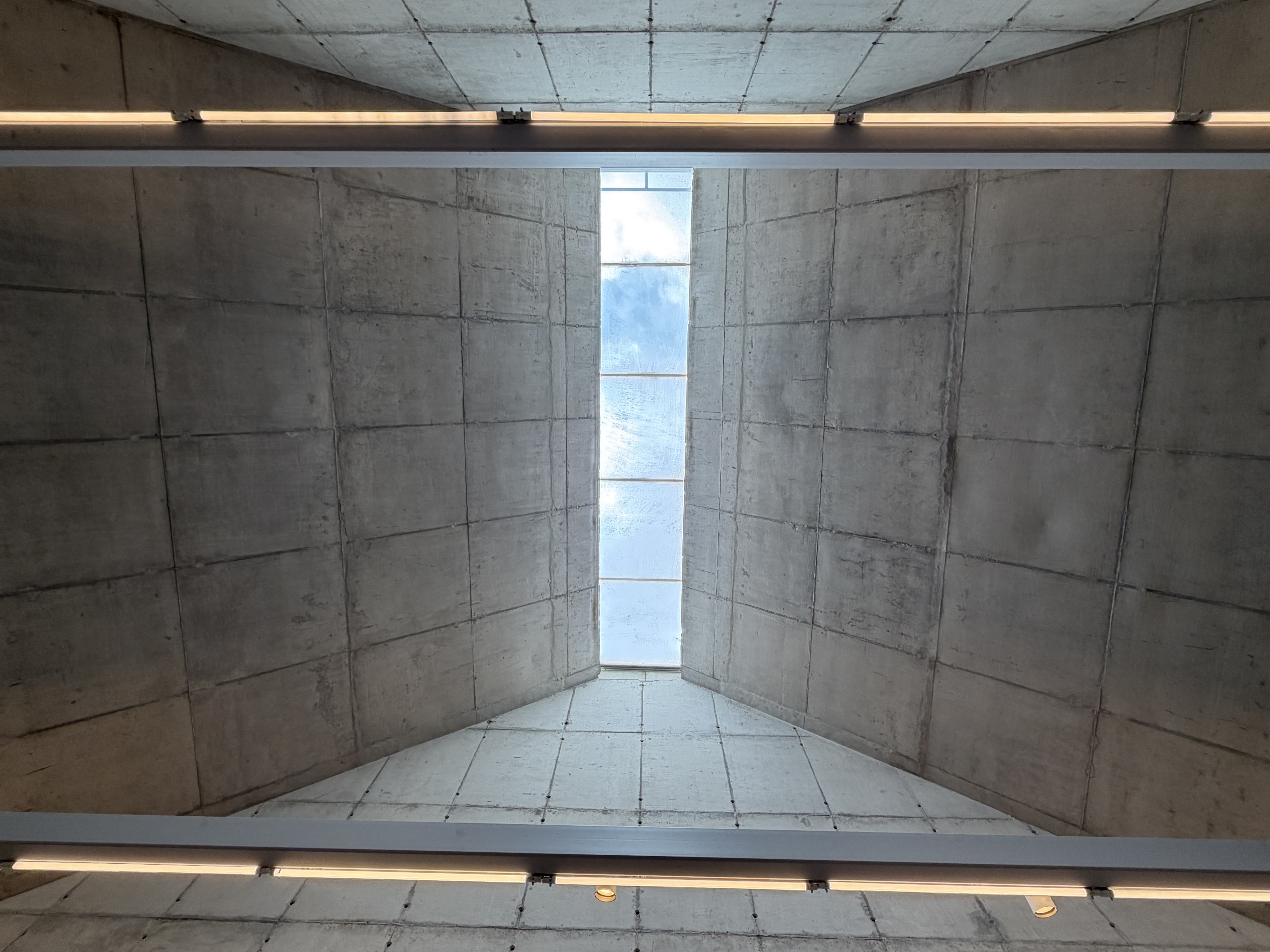
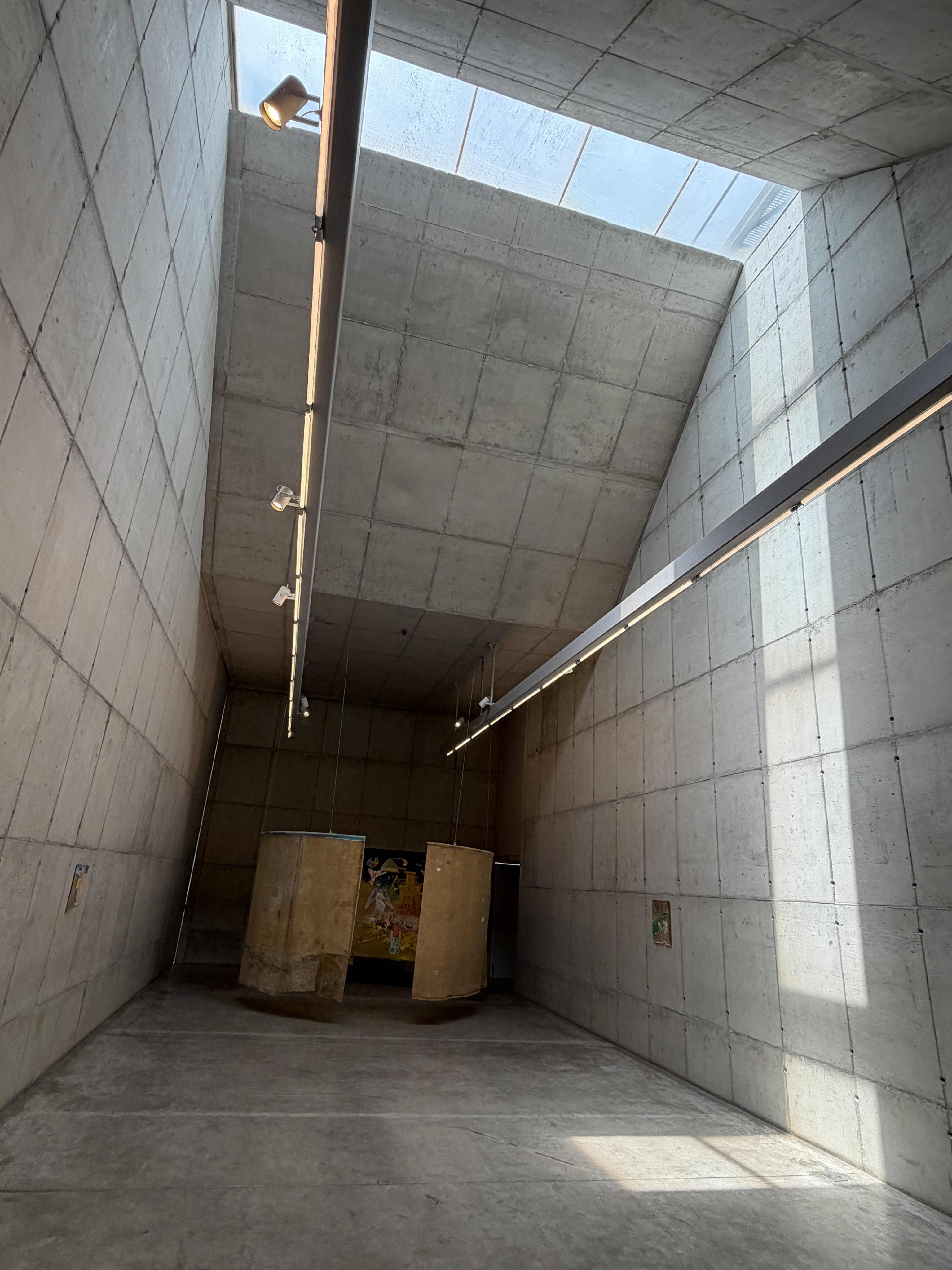
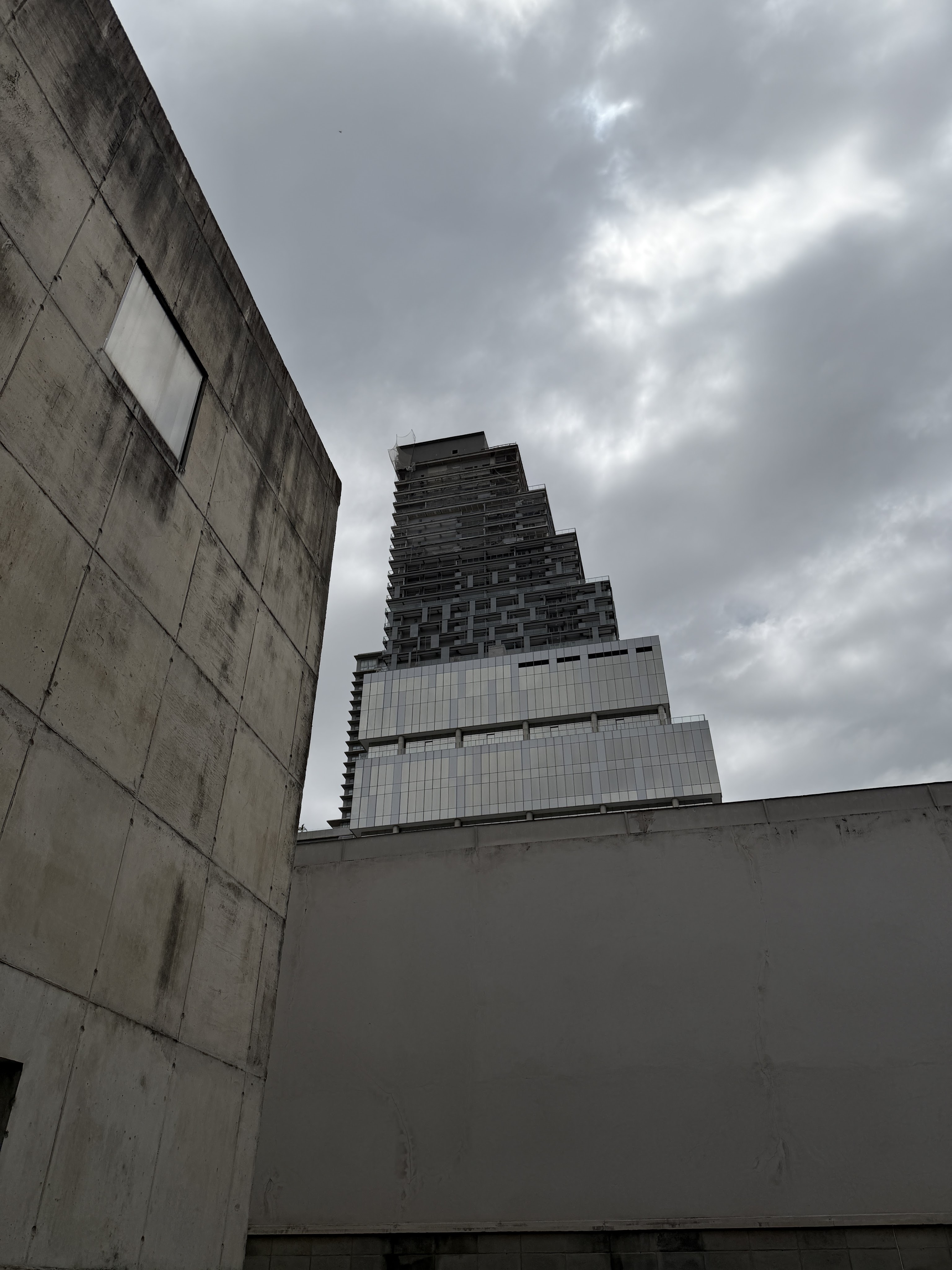
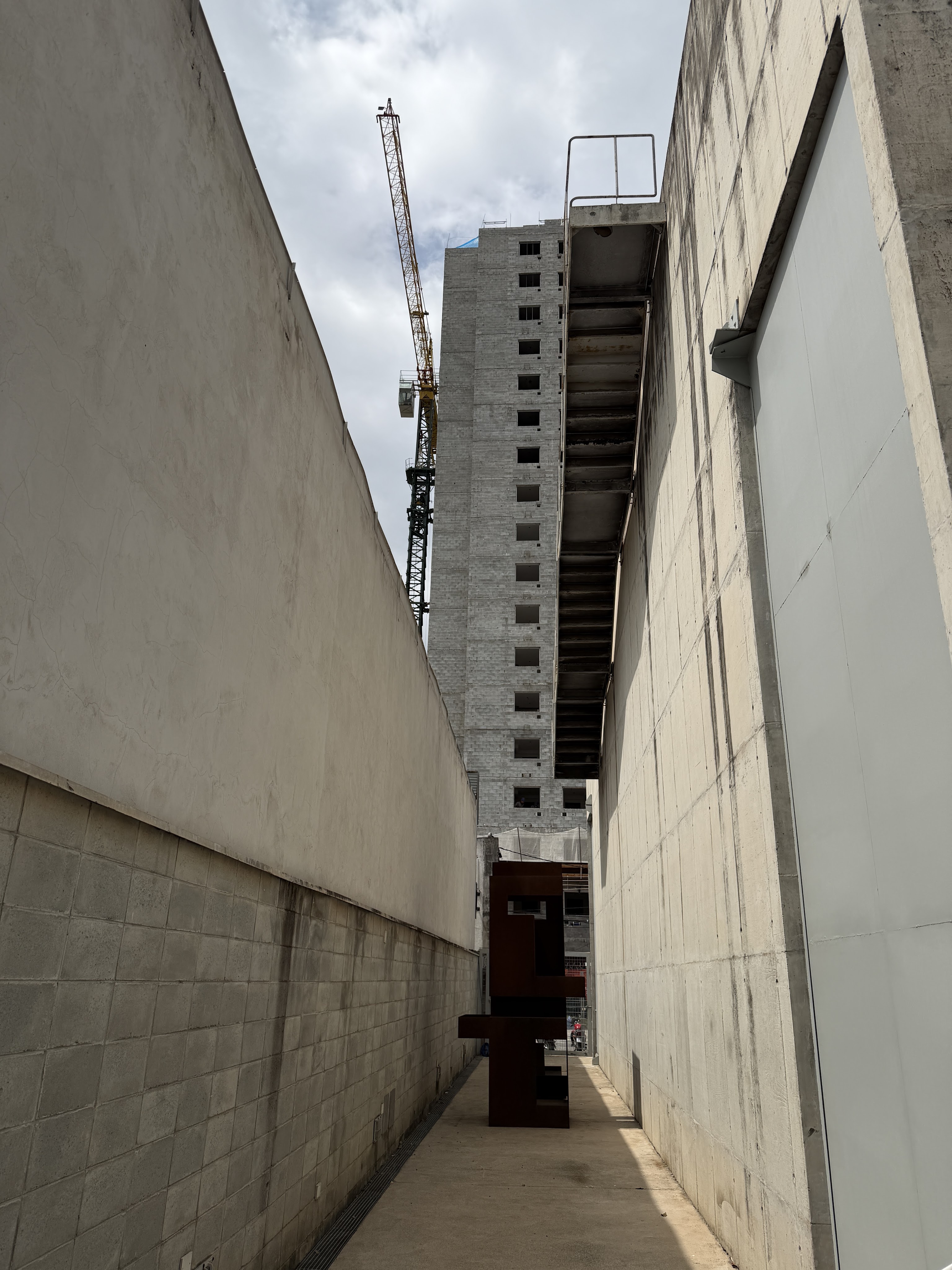
The building is pretty severely concrete from the outside but the inside doesn’t feel oppressive. The large swathes of concrete being raised in perfect symmetry (I did ask about this as its too perfect to be an accident of the where the lines form) do meet the style of this school where they want to combine both raw honesty of the material with technological feats of floating.
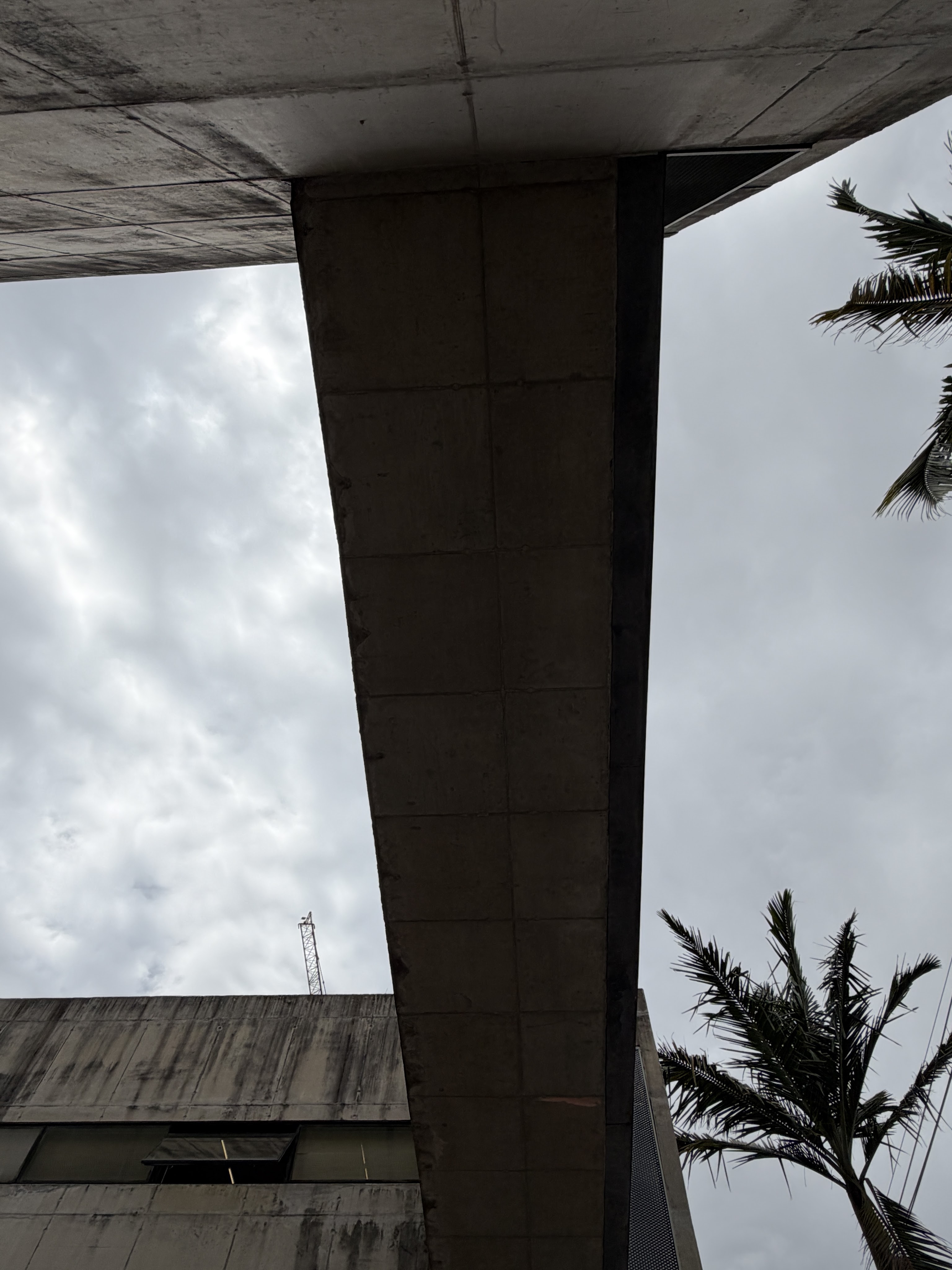
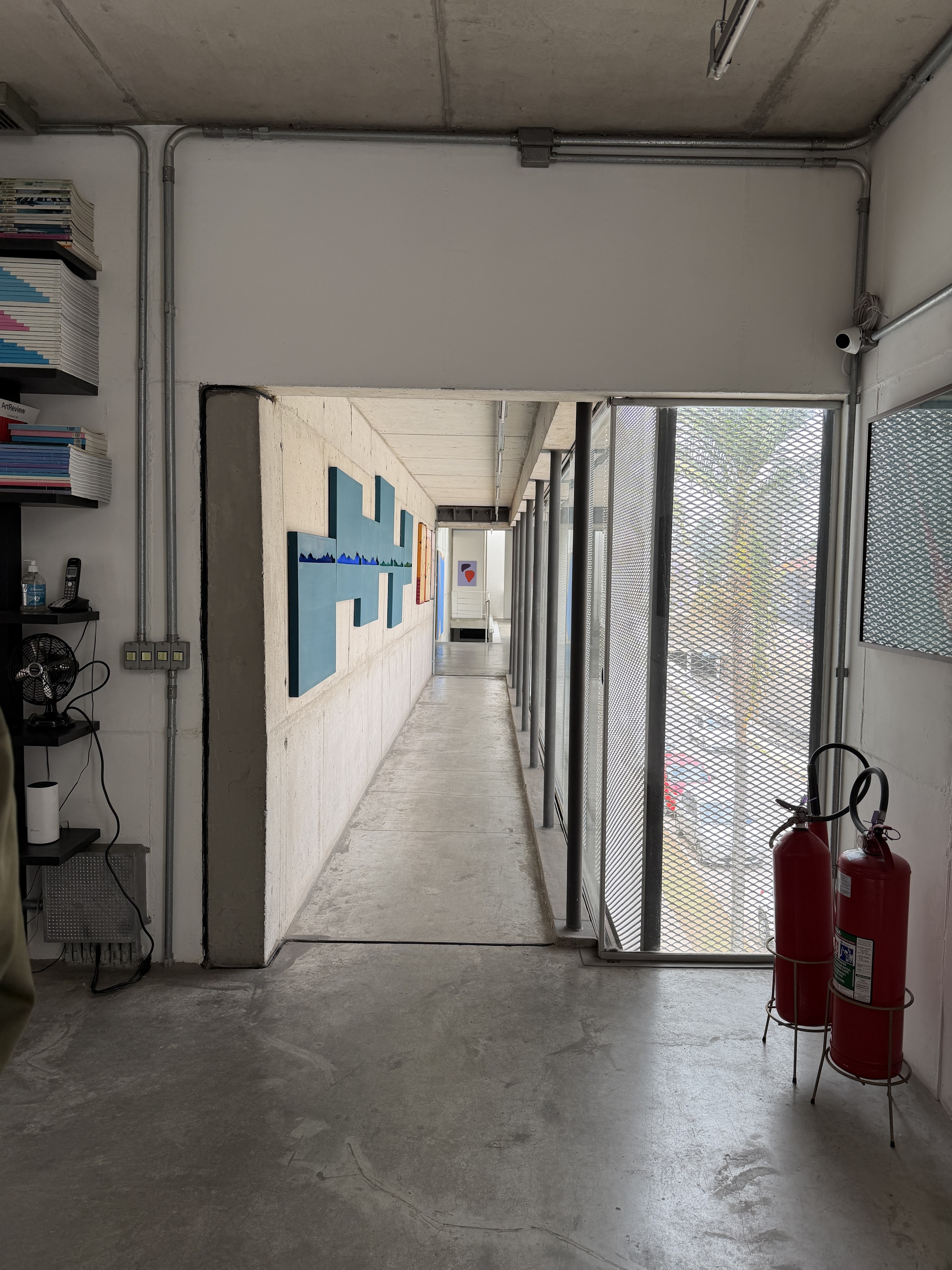
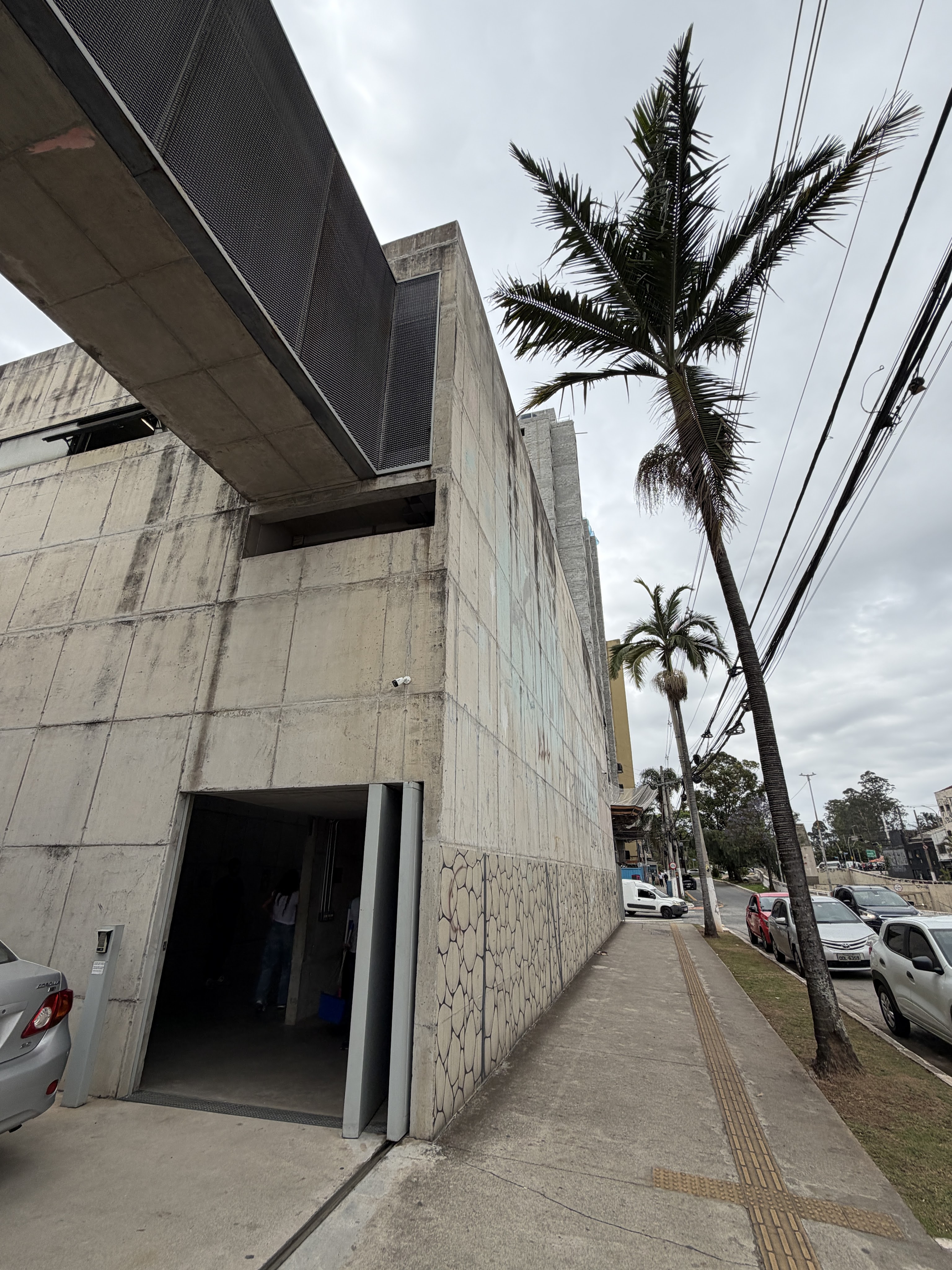
There’s a walkway between the spaces that offers much more light than one would expect.
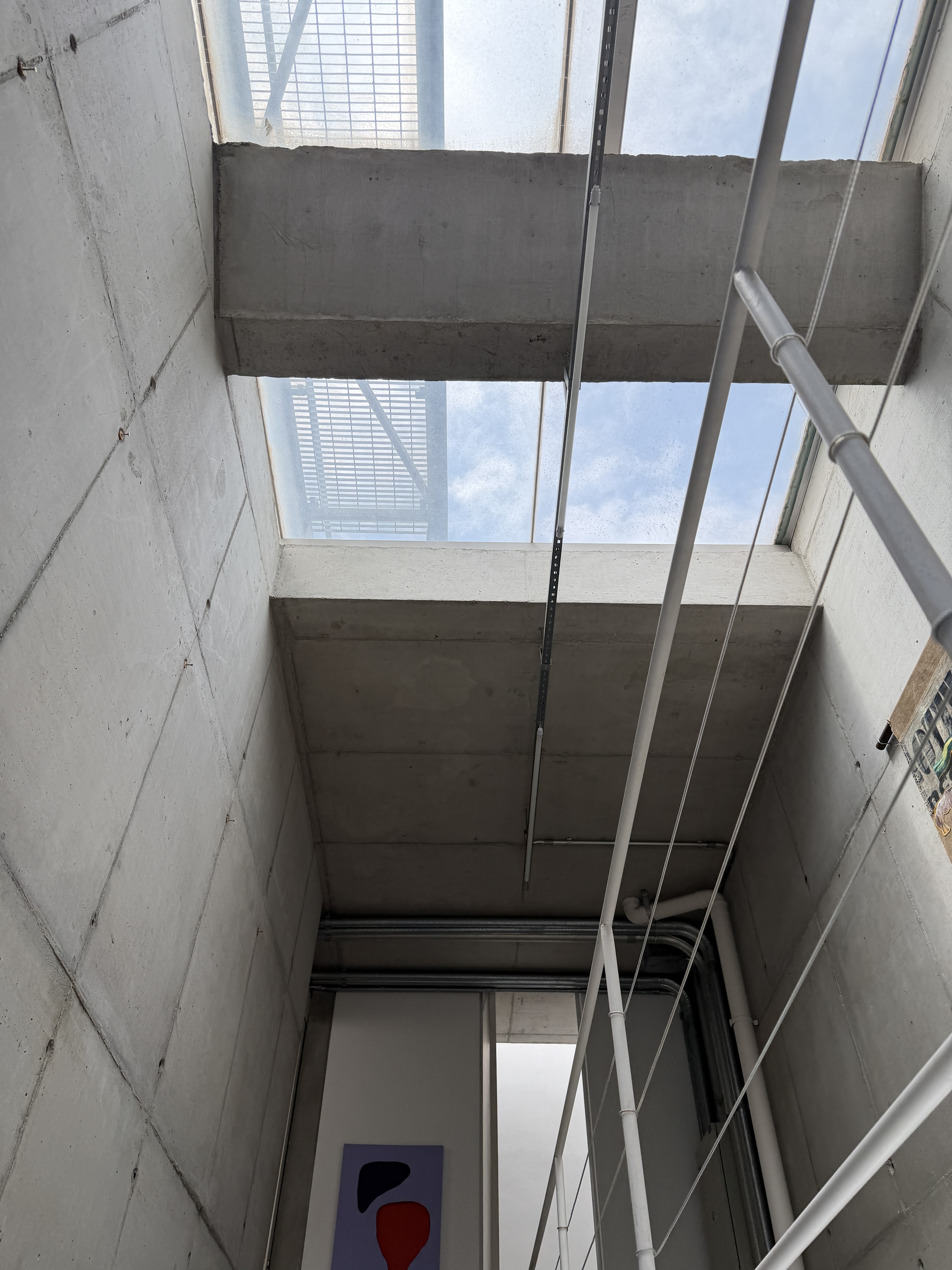
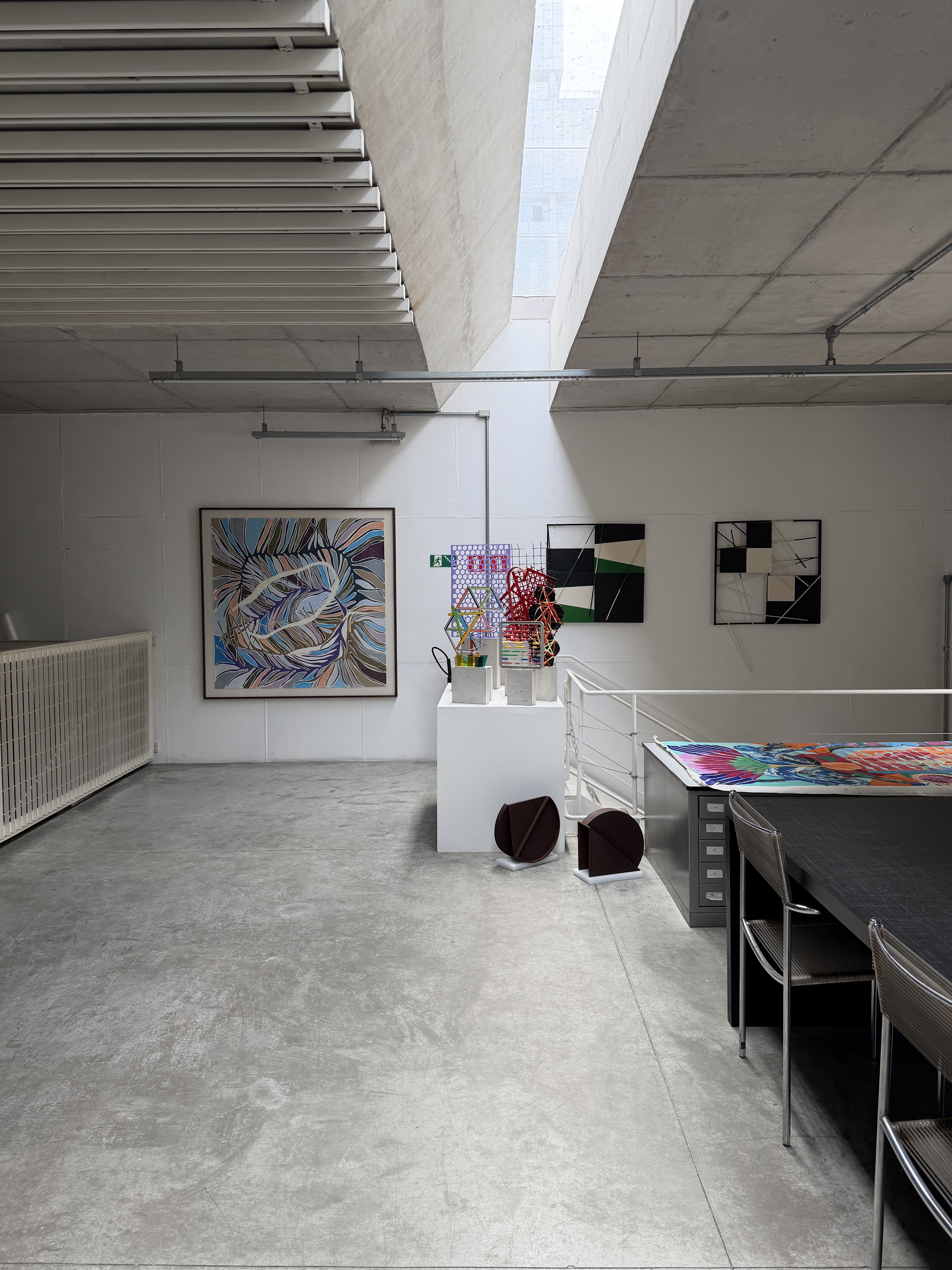
Similarly, the skylights in this building create an ambience of calm- a thoughtfulness to being in such an exposed place building material wise. A place where while there is no forgiveness in the hardness of the concrete that even then there is a way to work with and open up the material. The contrast brings consideration to the mind.
This building has a unique history, and similar to others on this São Paolo trip where the building has survived many significant transitions in politics and culture (Gemini 3.1 Pro (Mar 8, 2026):
Despite its success, the original building was demolished in late 2011 to make way for a large commercial development (an office tower) on the site.
In 2011, a large construction company bought the entire city block where the original gallery stood to build a massive commercial office tower. The gallery sat right in the middle of their plans.
- The Agreement: Instead of a simple buyout or a long legal fight to preserve the building, the gallery owner (Eduardo Leme) and the developer reached a deal: the developer would fund the construction of a new gallery just two blocks away.
- The Architect’s Role: Paulo Mendes da Rocha and Metro Arquitetos were brought back into the fold to oversee this “transplantation.” Rather than designing something brand new, they decided to “resurrect” the original design to preserve the architectural memory.
The city is known for its “scorched earth” approach to urban development. In a city that moves this fast, the agreement was seen as a win because it saved the idea of the building, even if the original structure was lost.
To mark the event, the gallery held an exhibition titled “Transição” (Transition) during the move. They invited artists to create works specifically about the demolition of the old site and the construction of the new one. This turned what could have been a somber corporate takeover into a self-aware, artistic event.
The fact that a building by a Pritzker laureate was demolished and rebuilt nearby is considered a unique event in modern architectural history, often discussed as a commentary on the rapid, sometimes ruthless, urban transformation of São Paulo.
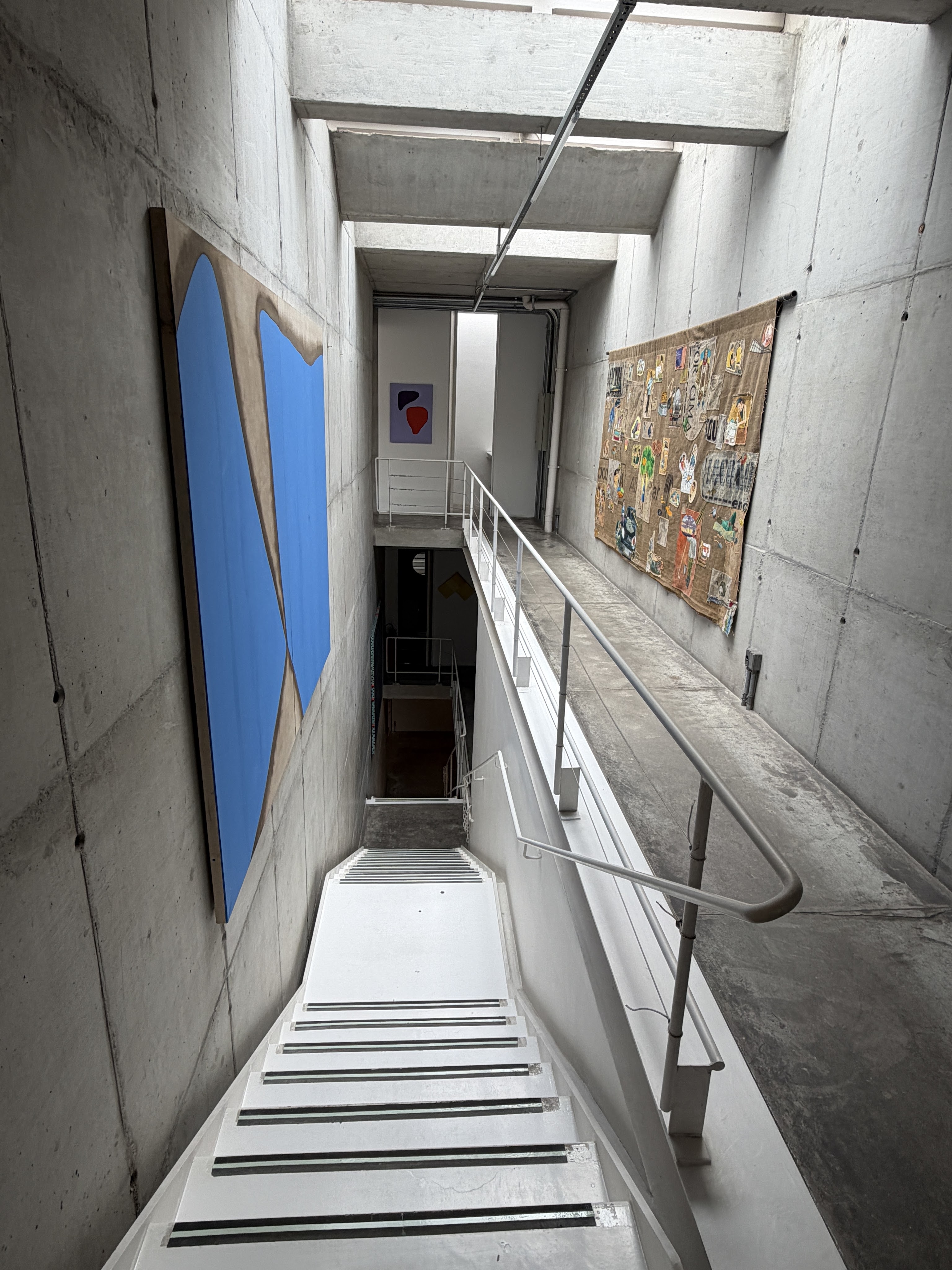
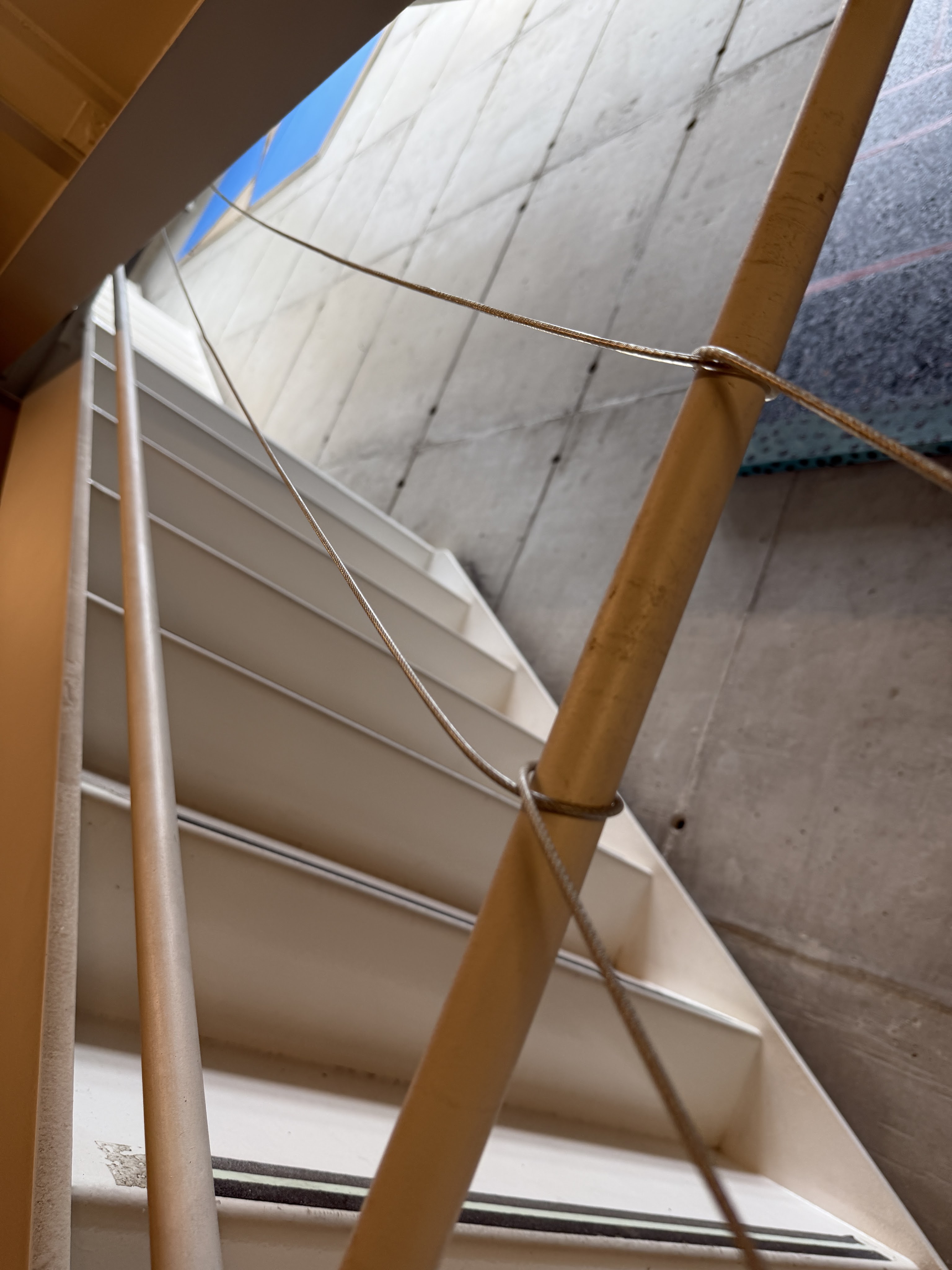
I think the last thing of note is really about the details- the railings using tied wire for additional slats, the lighting being florescent tubing aligned with the railing. I studied every moment in this place- most public visits would not allow entry into the working spaces of this building. It was a real pleasure to get a peek into how beautiful an office can be.
Address: Av. Valdemar Ferreira, 130 – Butantã, São Paulo – SP, 05501-000, Brazil
Website: ArchDaily write up
Interior
Exterior
 ofallthespaces