
30 minutes. That’s all you get when booking a time to visit Maison La Roche. It’s not a building of much scale- but what it represents in achievement is massive. Since I’ve started this project, I don’t think I’ve had the chance to write about le Corbusier. Infamous for all the reasons, the only other architect that comes to mind in this age of that stature is Frank Lloyd Wright (of which I have written about plenty). 30 minutes is not nearly enough to linger.

Building sections- I think I have an affinity for these over building plans. Perhaps it’s because we can more easily access a plan than a section on foot- to be able to travel vertically whether in a building or to the center of the earth or out to space is more cause for imagination. These hand drawn sections are exceptional in their simplicity compared to what computers can achieve and yet the thought exercise in it’s reserve is sorely missed.


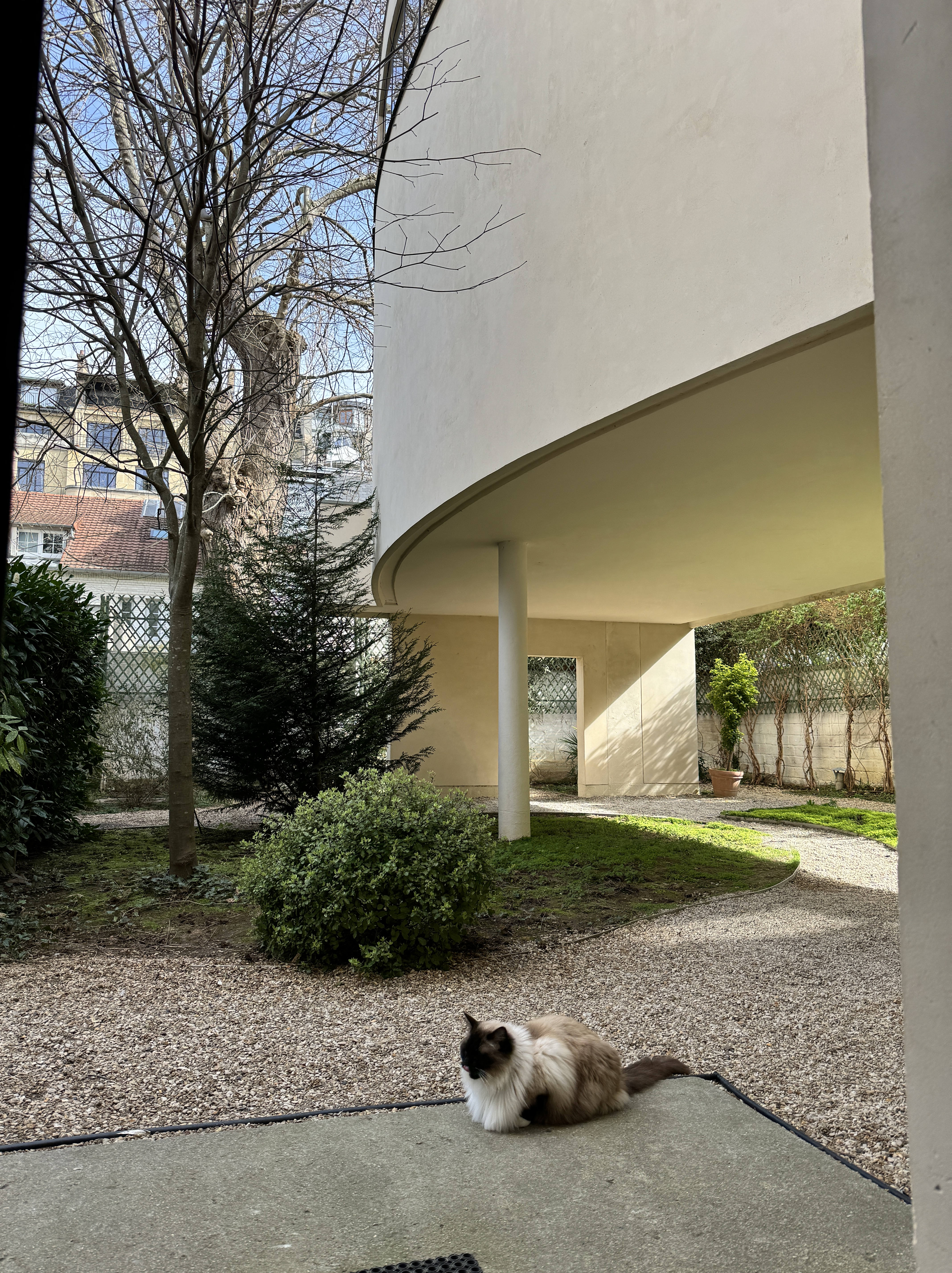
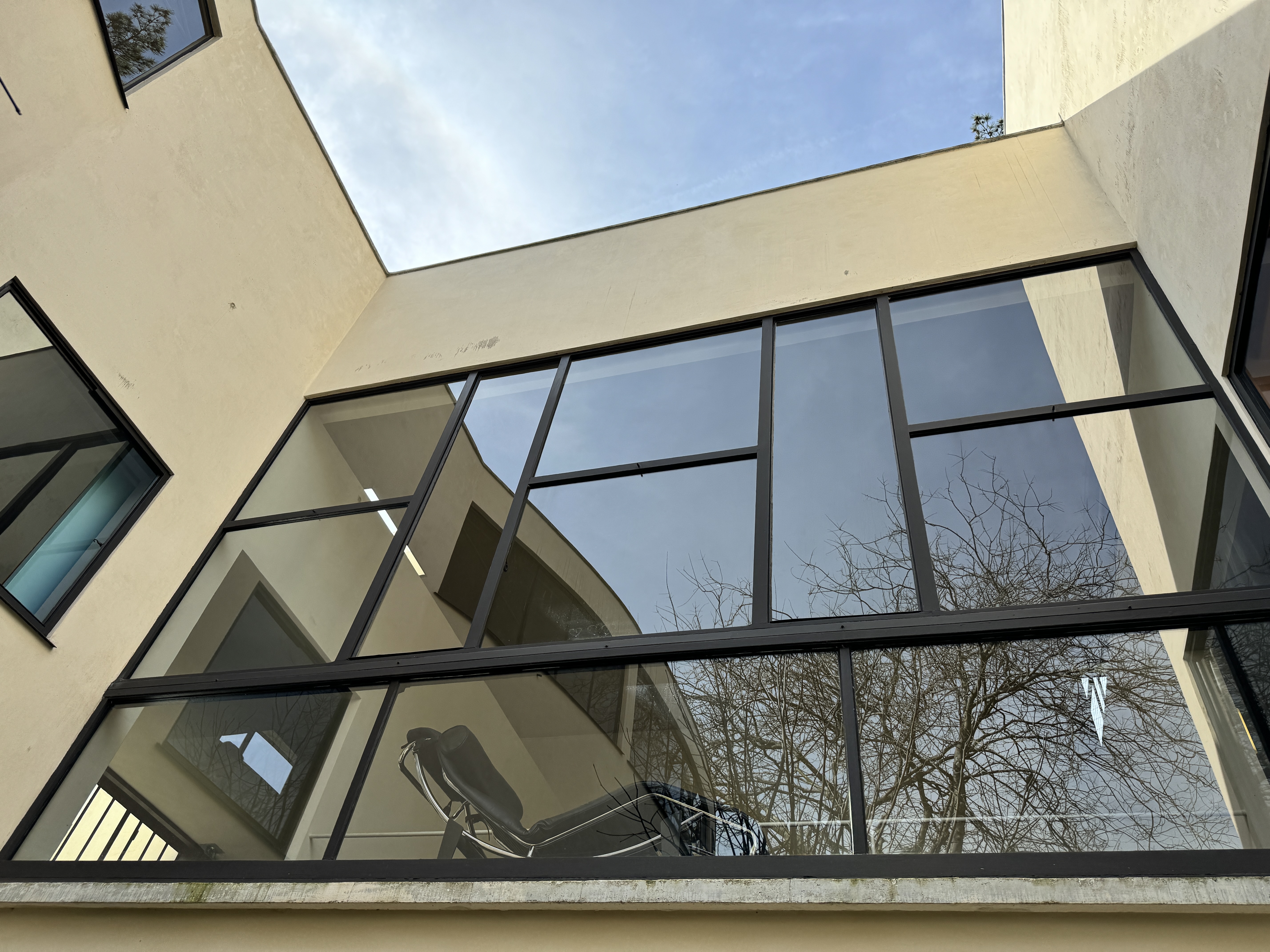
Nestled on a private street one can imagine the annoyance of the neighbors of the constant stream of visitors. Walking down this street, one encounters a cantilever (the inspiration for this project) first and foremost in view- plus an ever so subtle curve in the shape of the room above it.
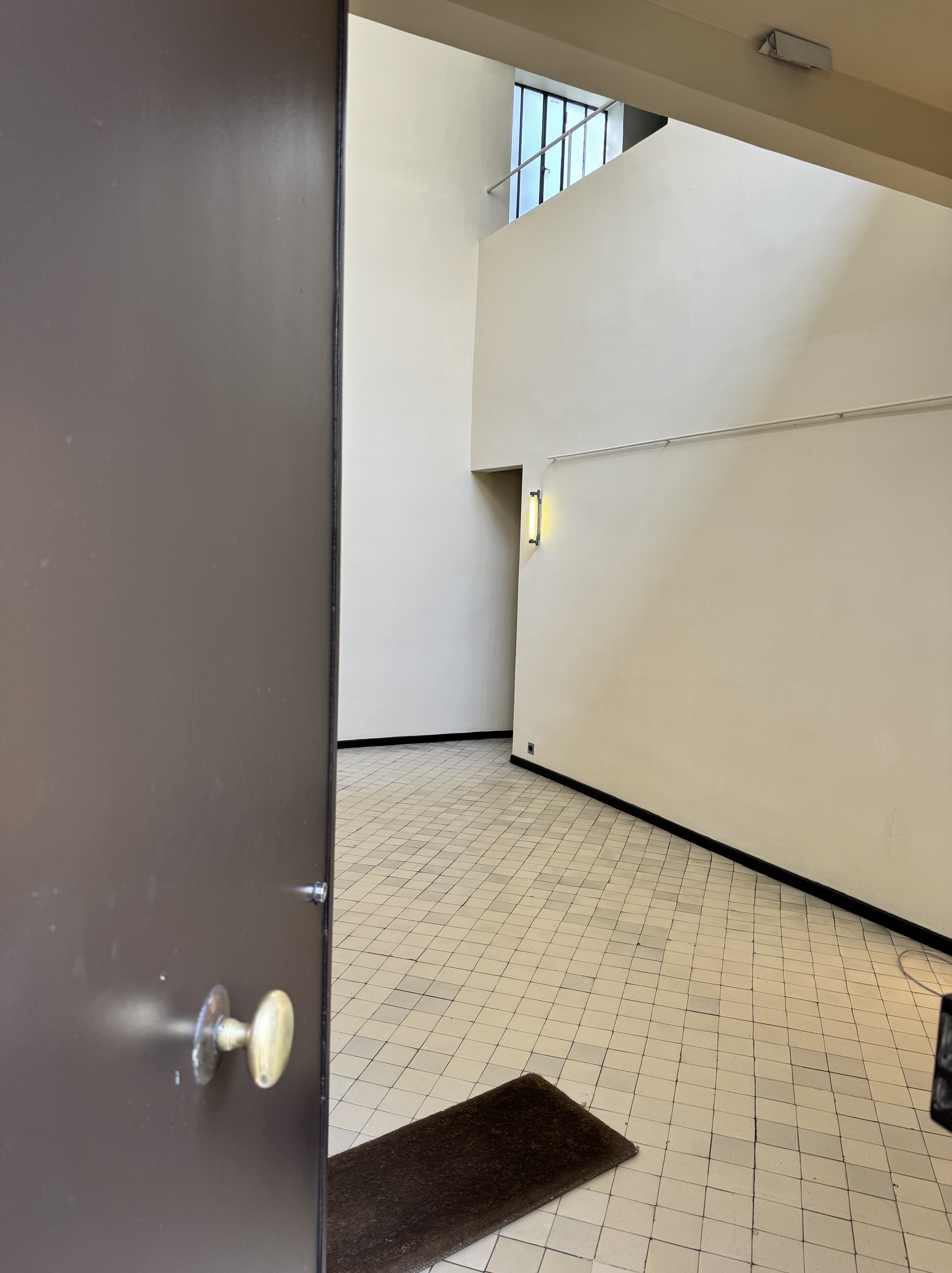
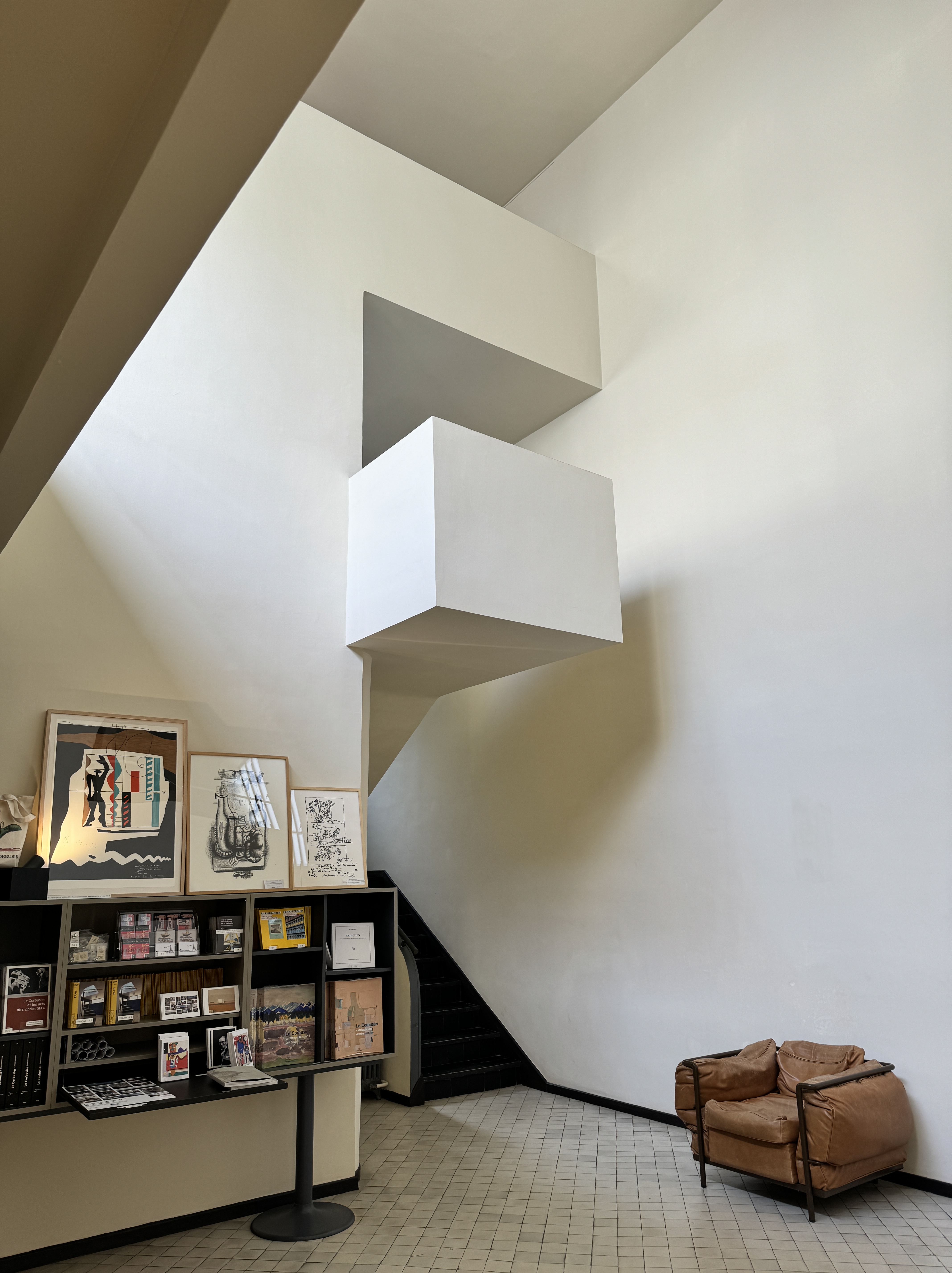
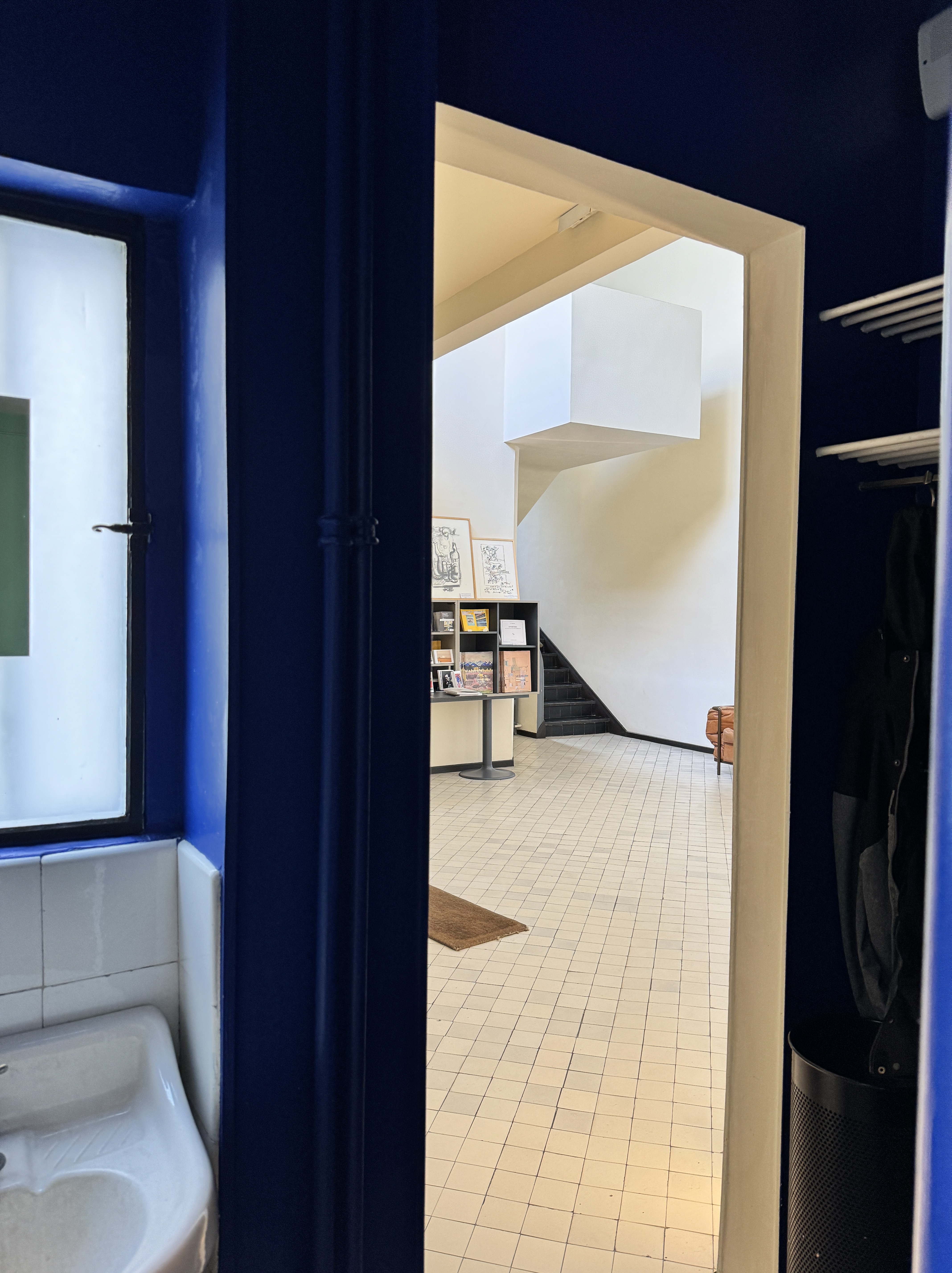
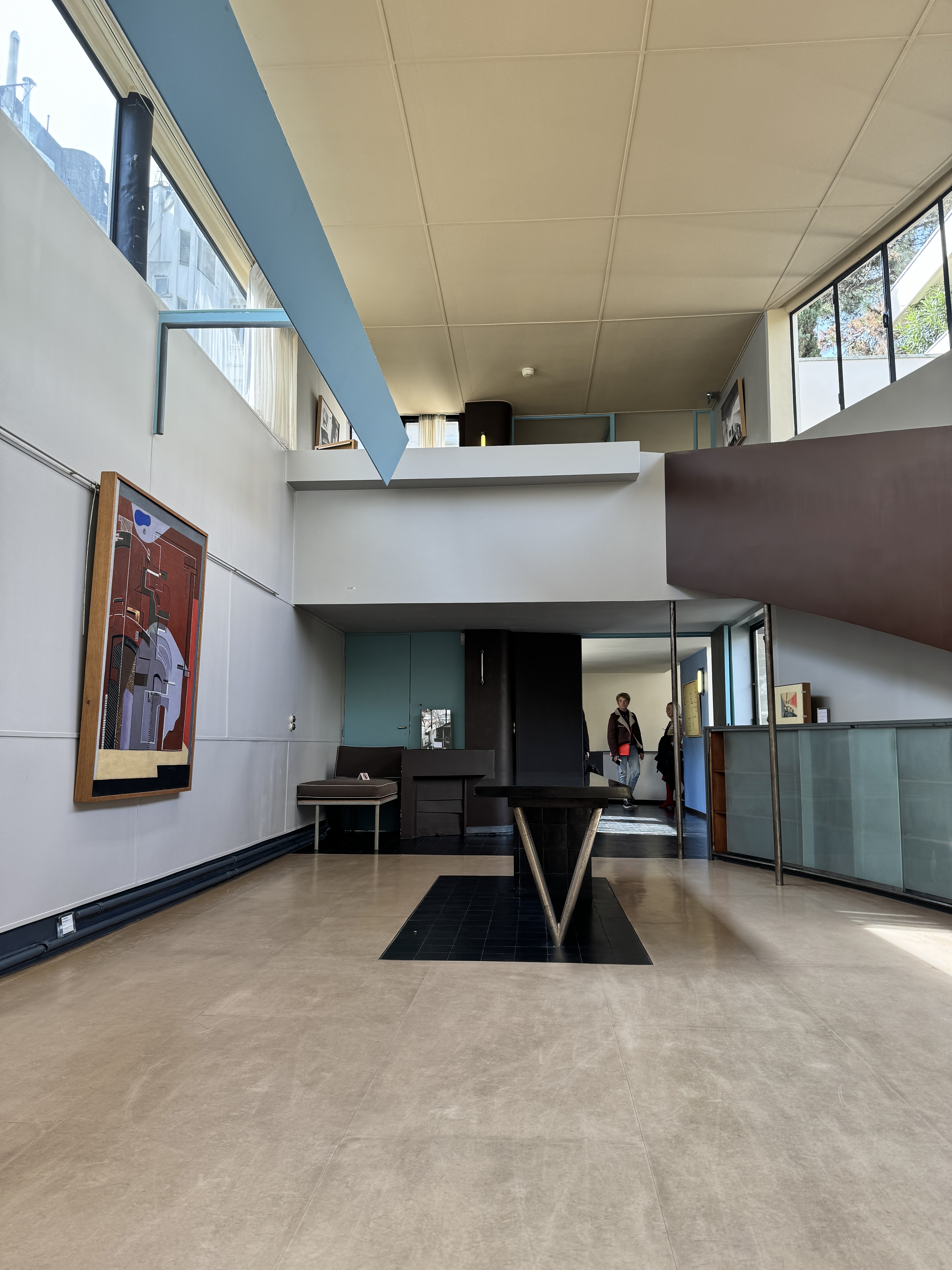
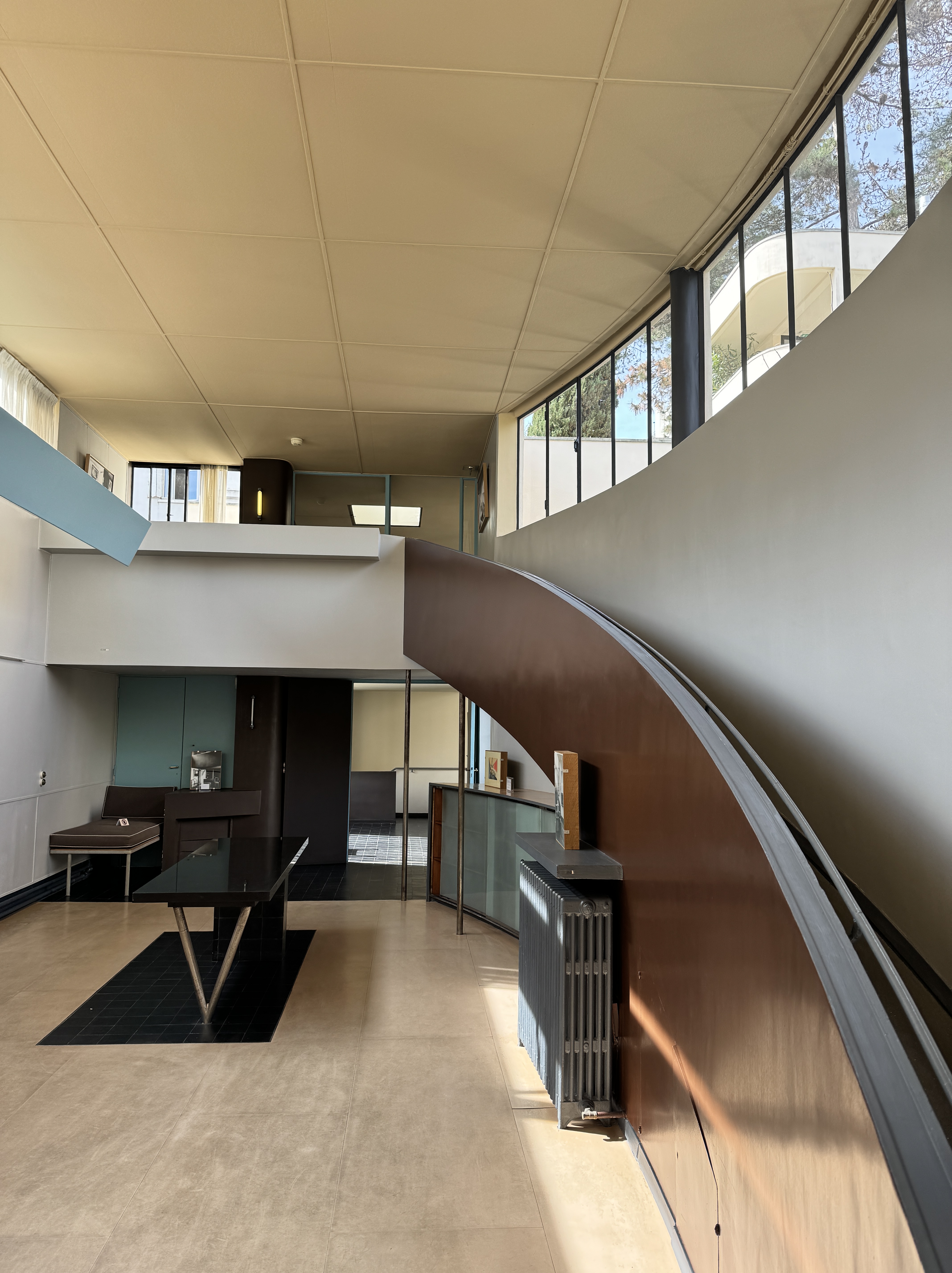
These tactics. The change of scale. Passing under through into a wonderfully lit open space. I wish I had caught a photo of how the entrance atrium was initial laid out with furniture- it made more sense that the little host deck and shop. A little to avoid the tour that was happening, but also because I was curious to get a sense of the size of the place, I headed straight for the stairs to the top.
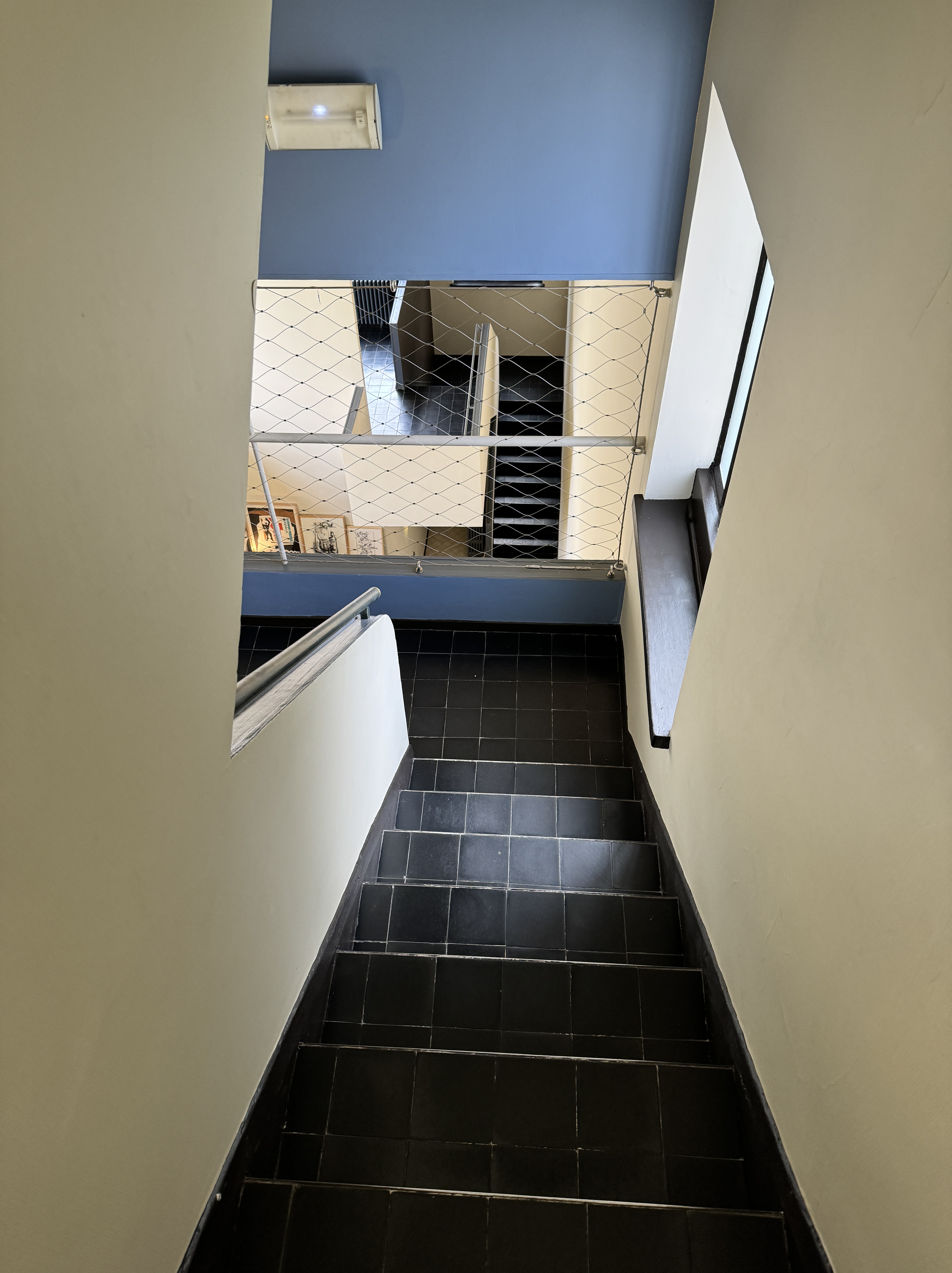
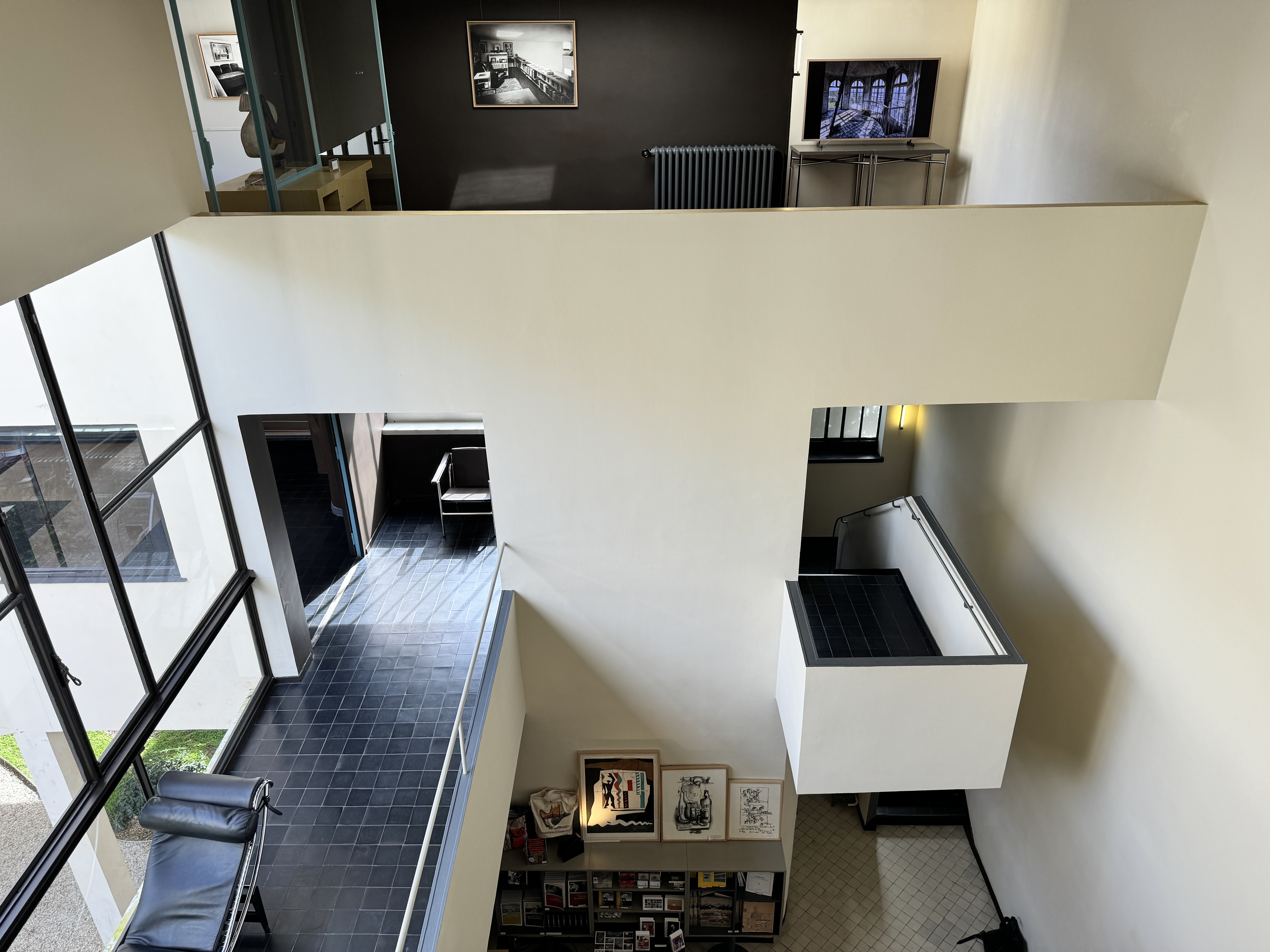

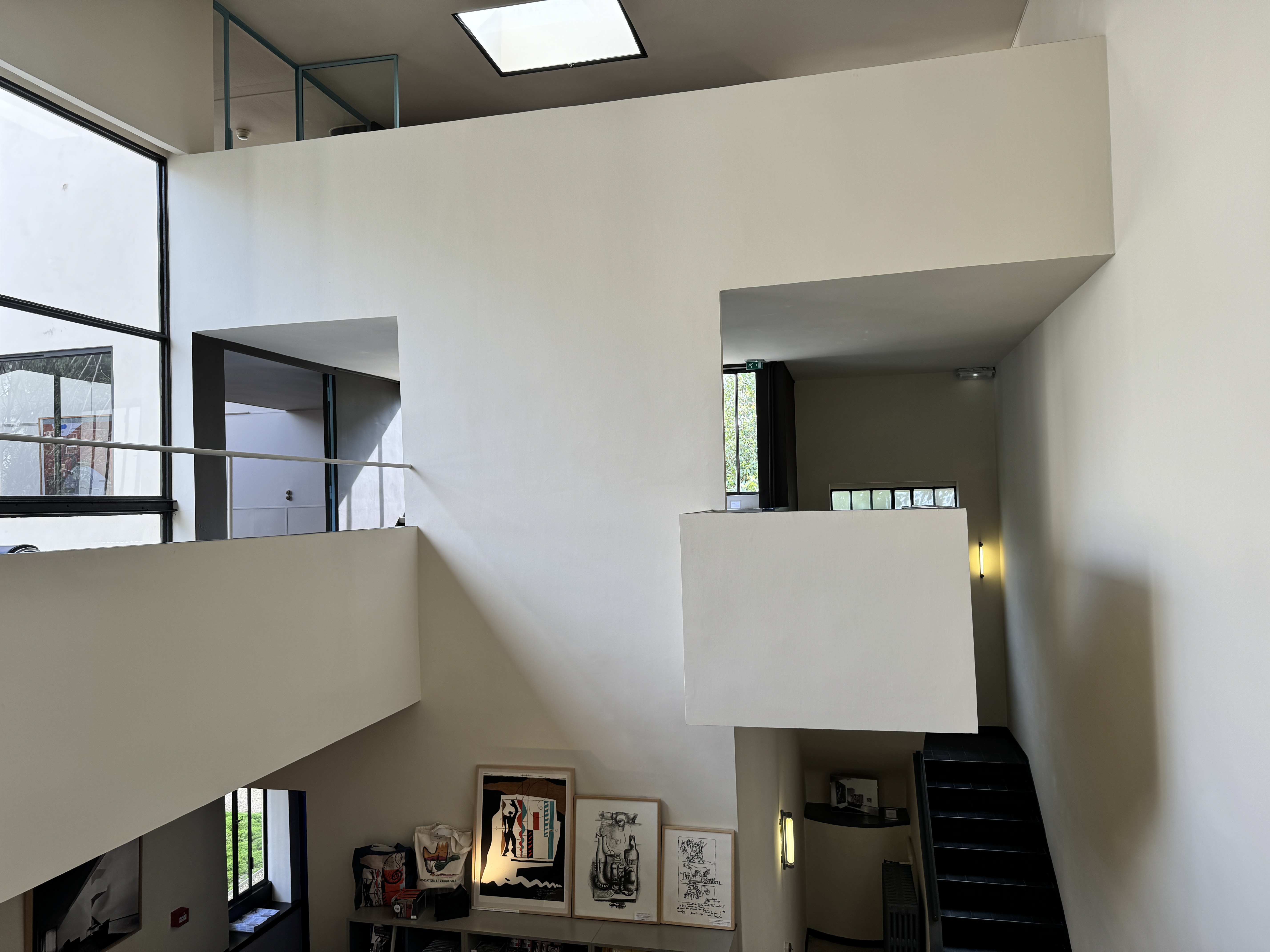
The circulation in this building is clever- stairs on both sides of a house divided between private (residence) and shared (living spaces) with passage in between. No mouldings, nothing extraneous- what one finds is the geometry of what is needed.
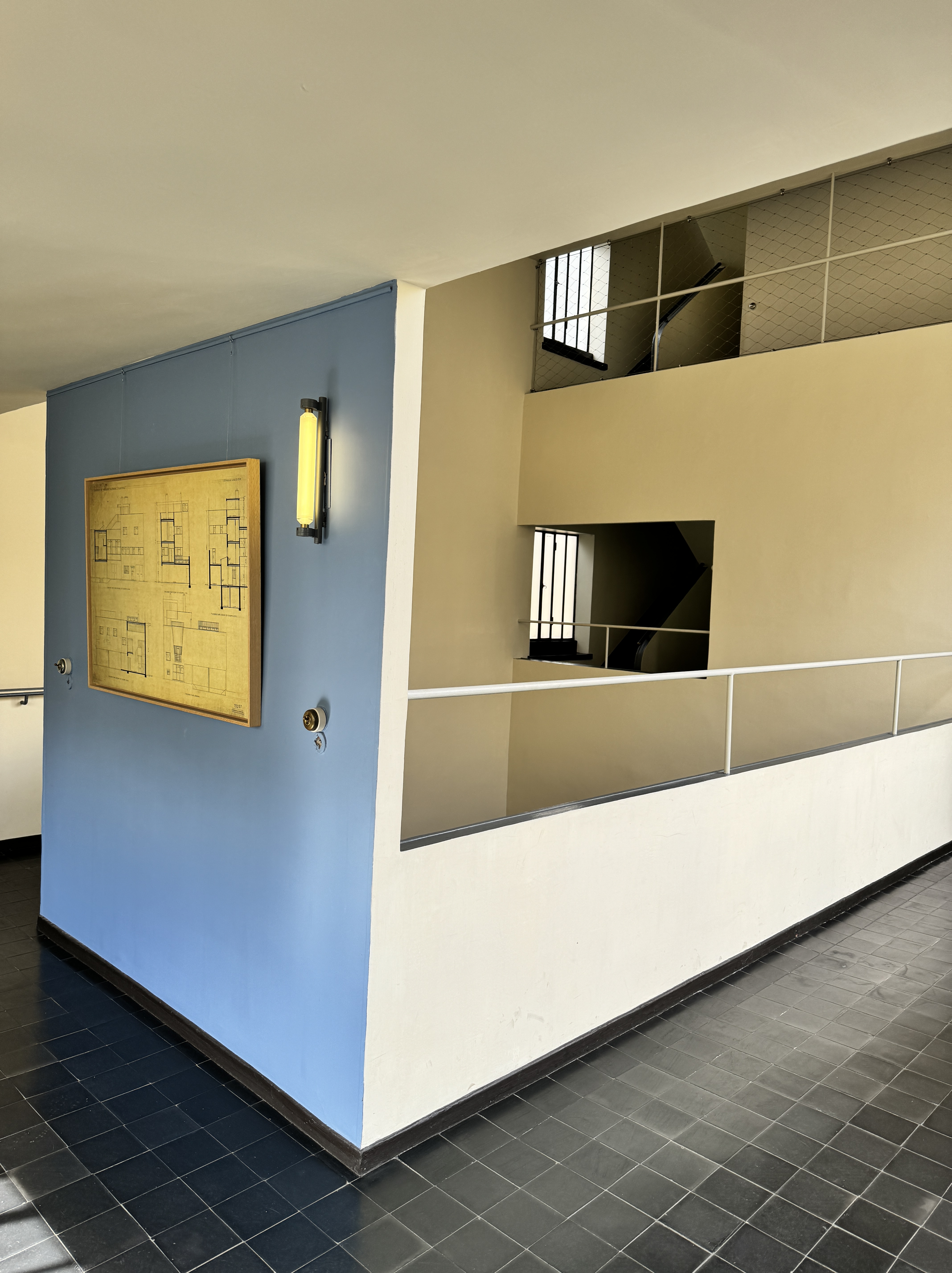
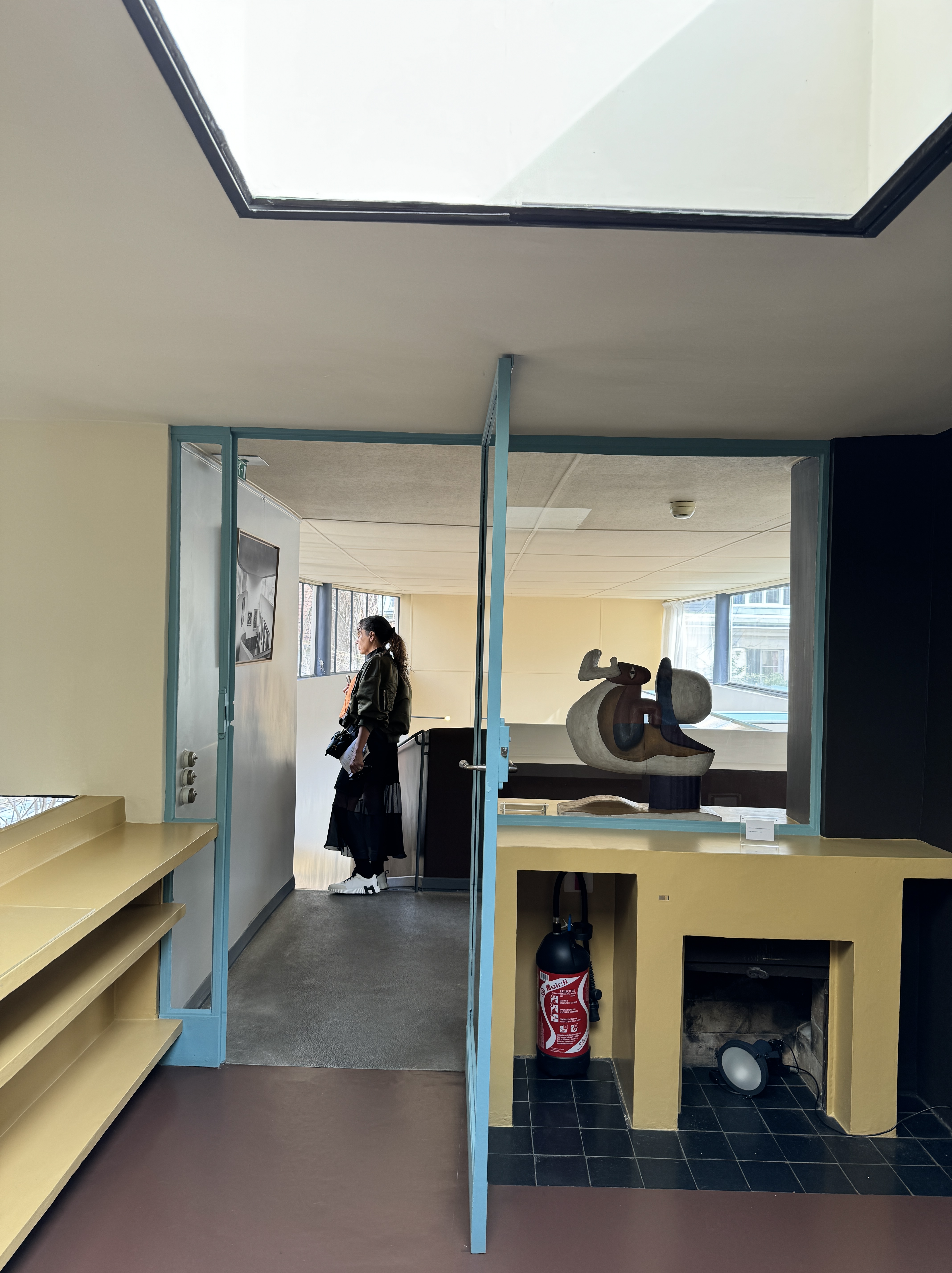
These razor thin planes are a testament to the technology of the day. If you can imagine building a scaled model from these drawings – you suddenly realize the puzzle this place is.
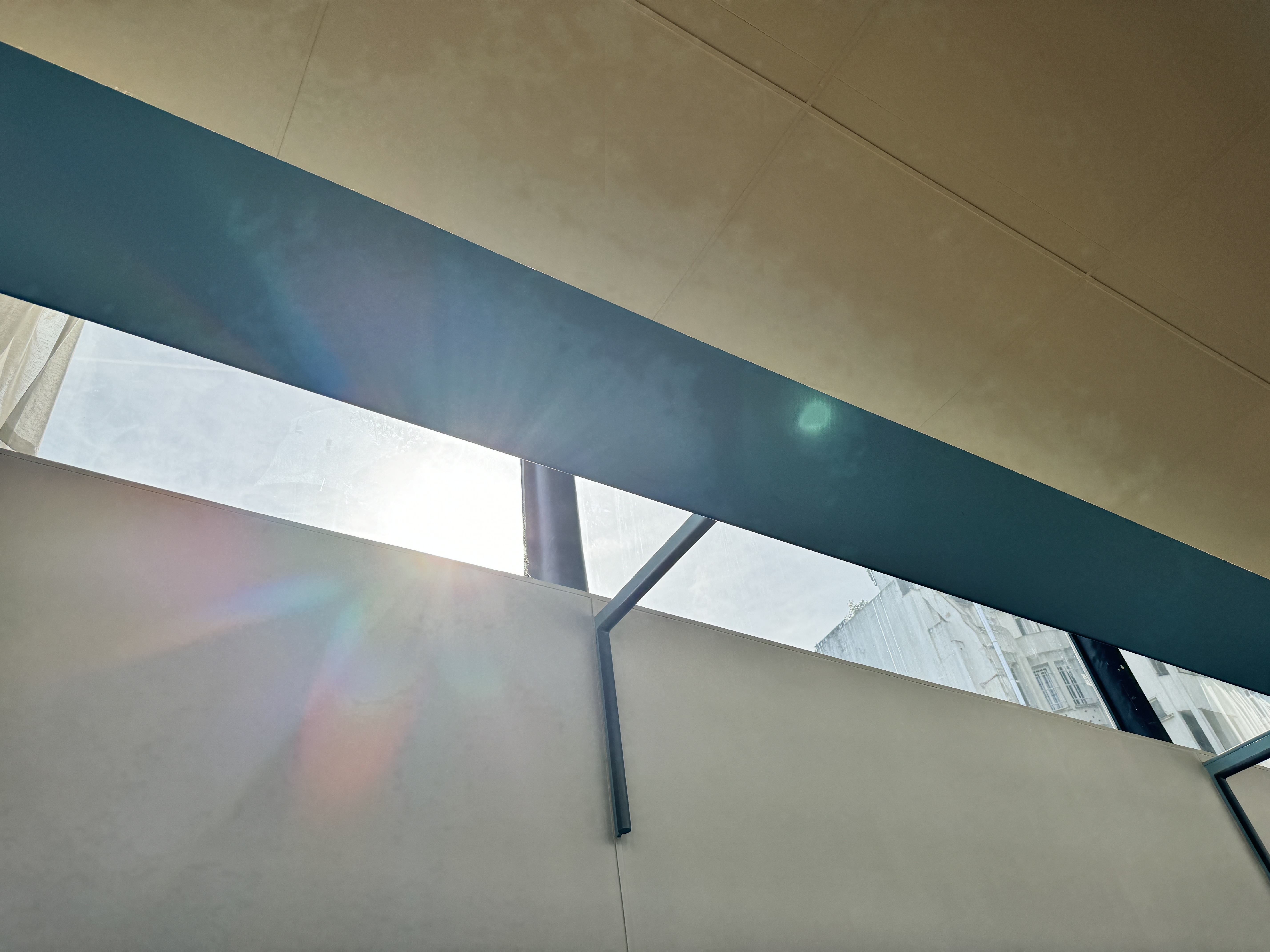
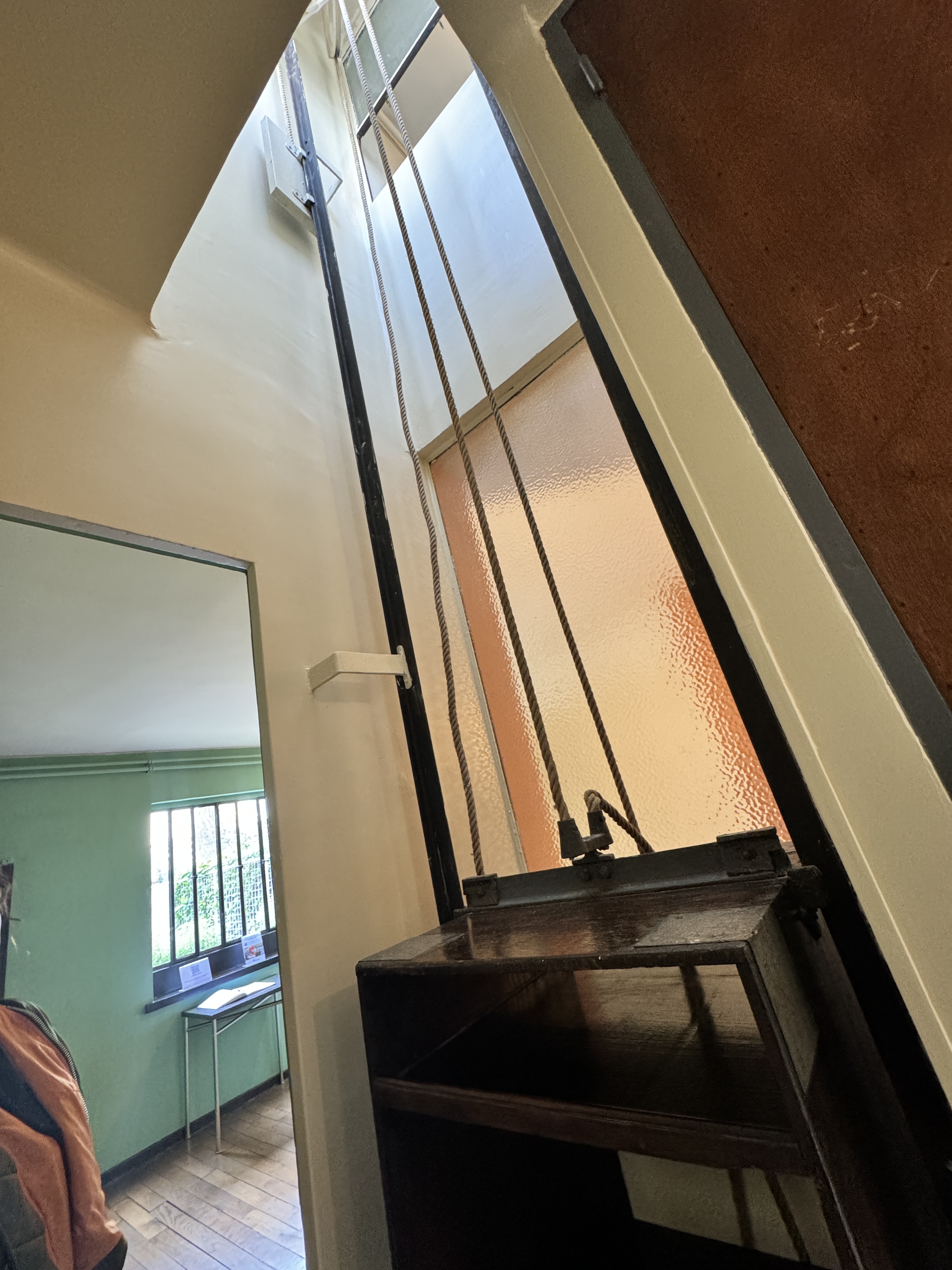
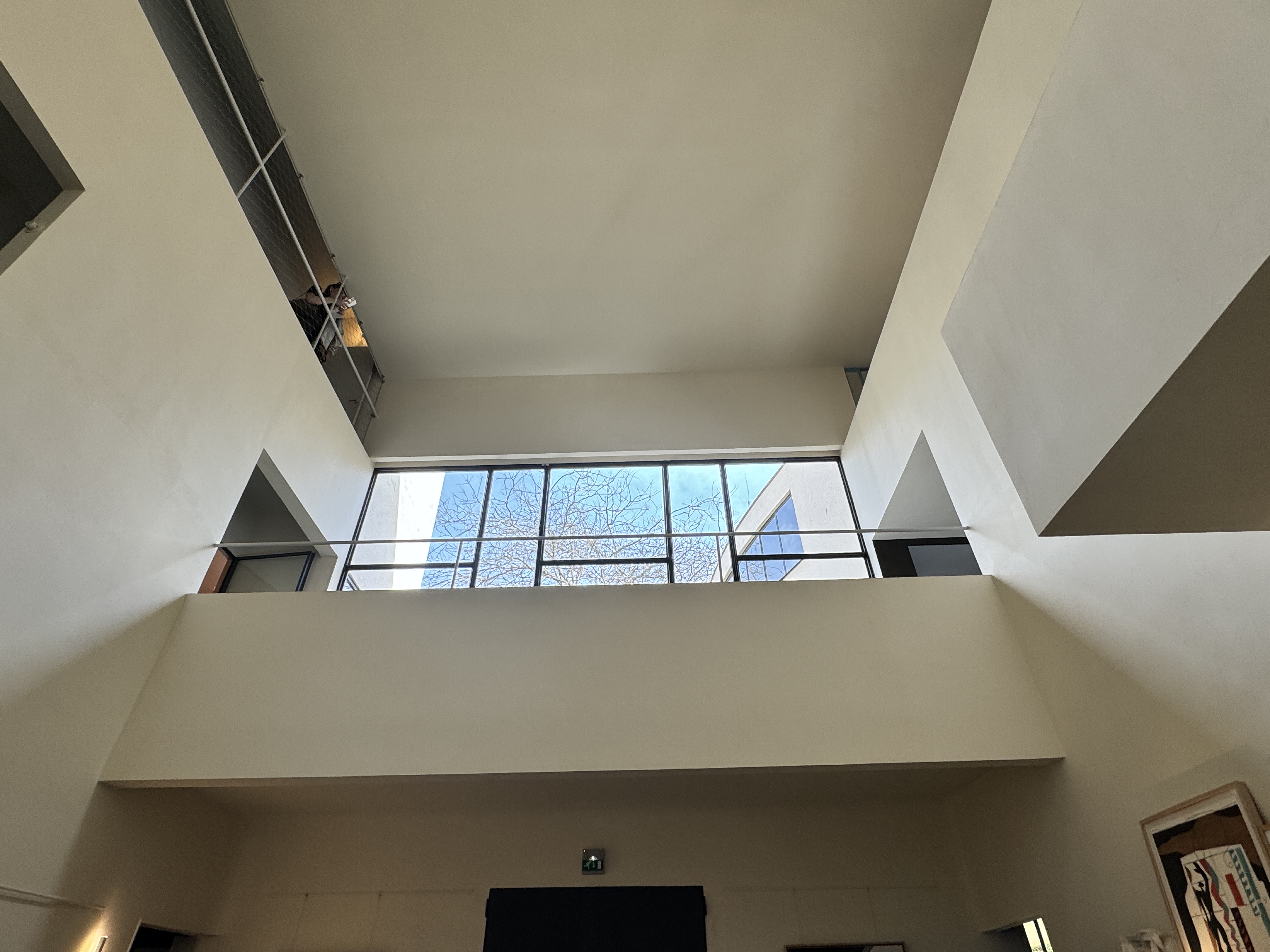
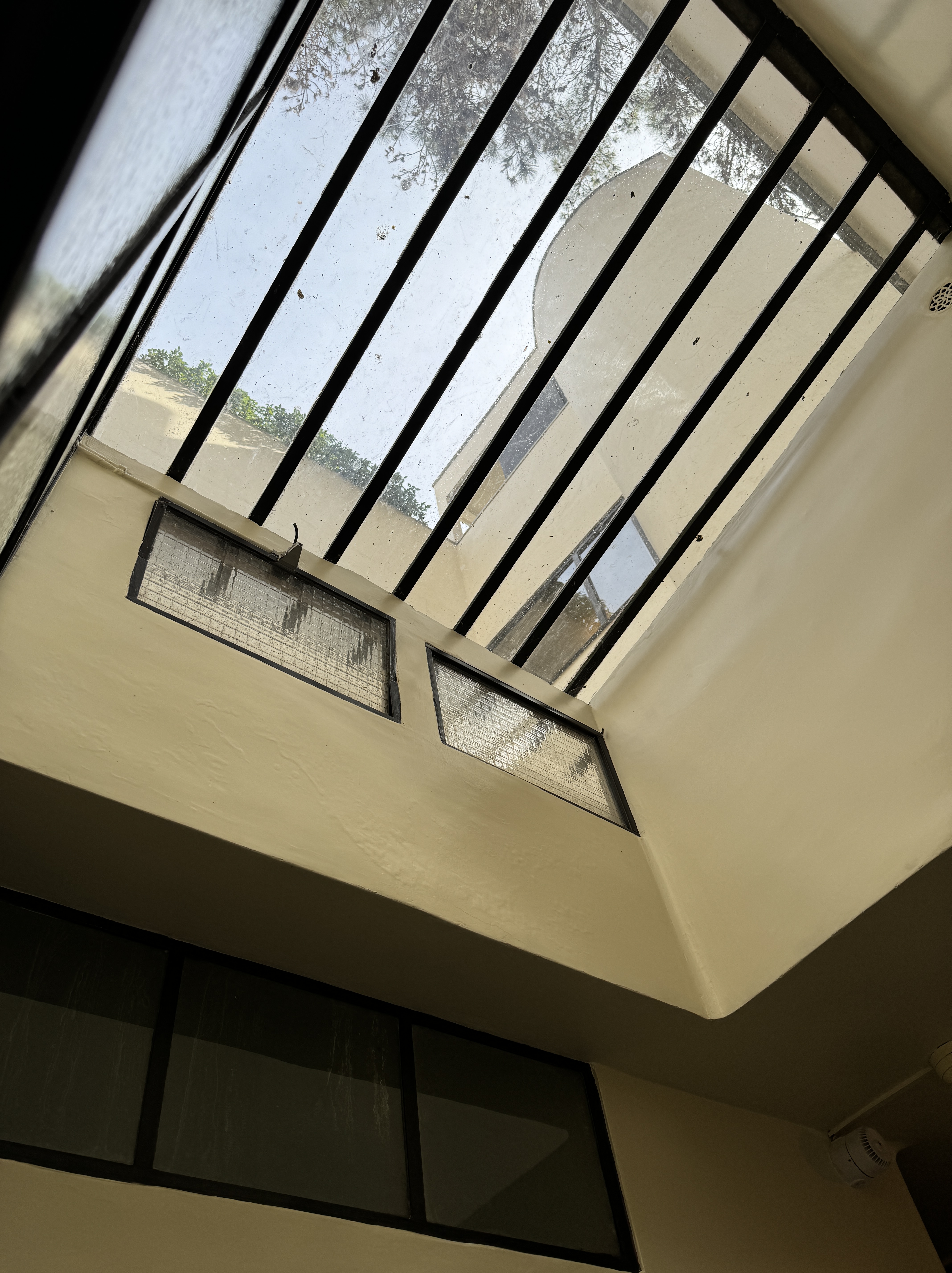
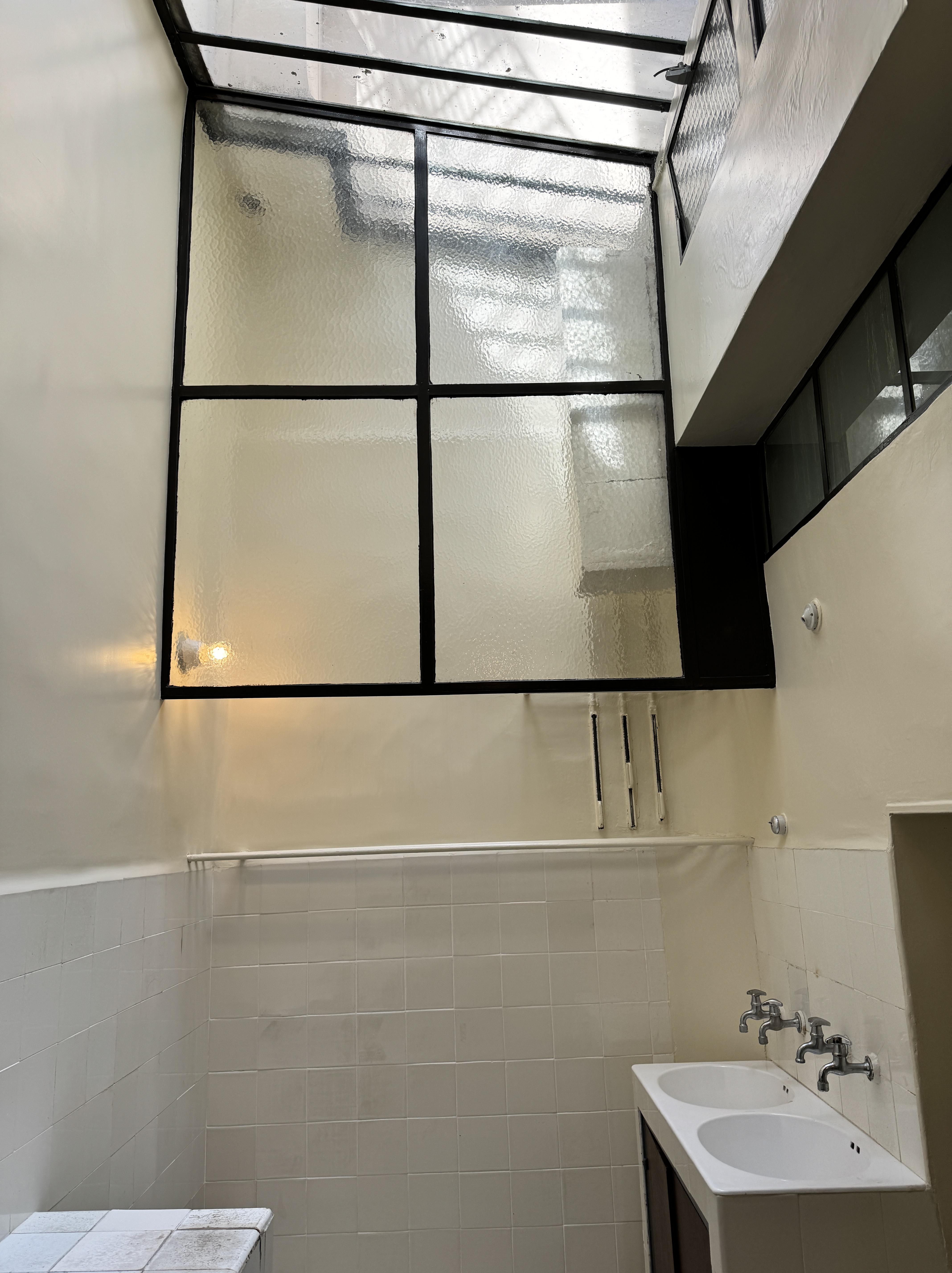
And in this puzzle solves for is not just a clear division of the space, but also the clear allotment of natural light through skylights, gravity defying glass walls and clerestory windows.

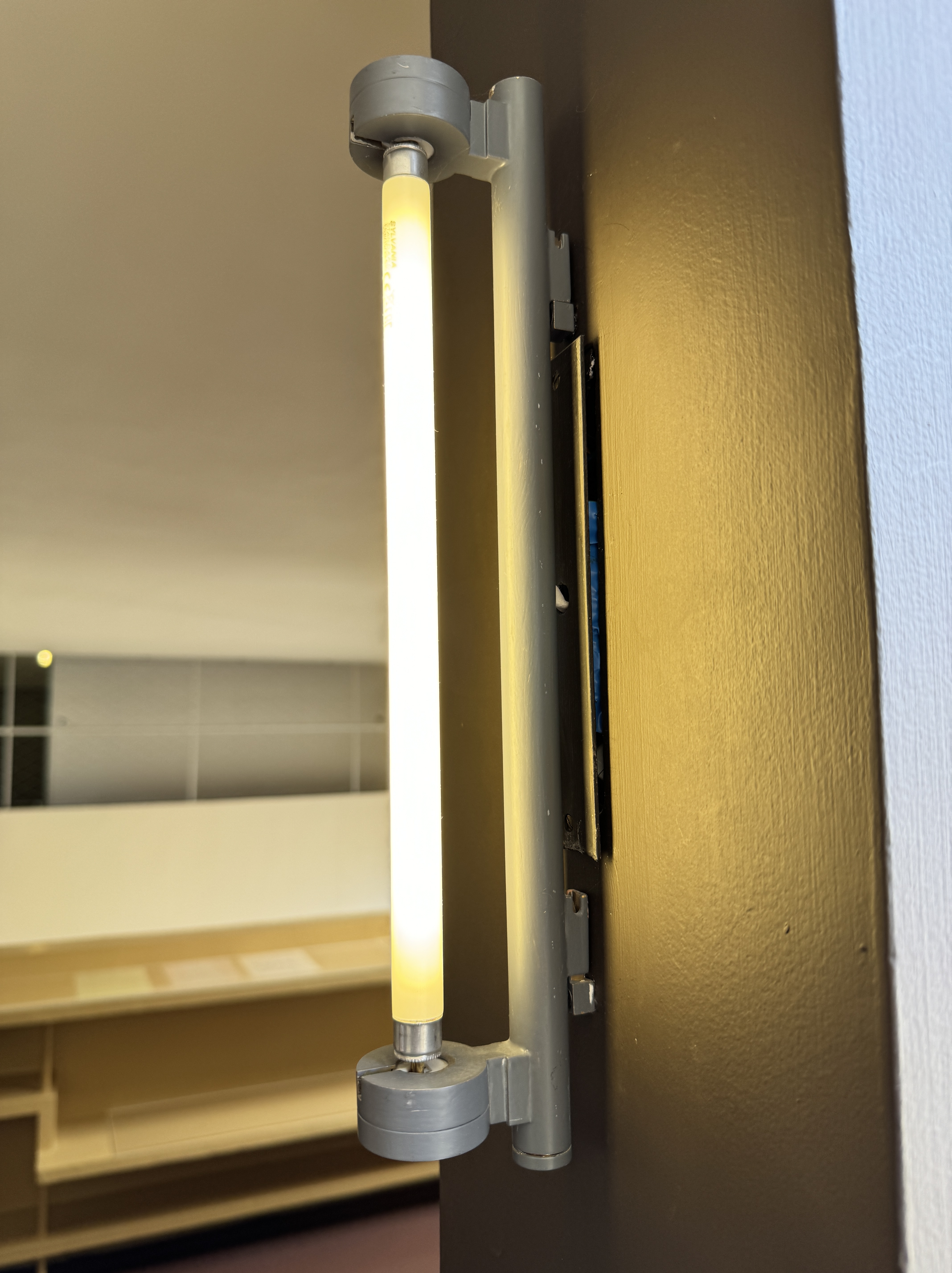

There are many places to read up about the architectural history of places like Maison La Roche and so I leave that to the experts. What I loved was the big pieces on display here- the walls and the spaces in between- but also the tiniest of details in the lighting and the electrical and other systems preserved in this house. I was humbled by the greatness of this house- we so rarely see true vision anymore and when we do we cannot but challenge ourselves to seek the greater, especially that vertically.
P.S. Trebuchet Magazine, ‘Installation Art’, Issue 15 – which I purchased at Heathrow on a trip back from London a couple months later but am reading now at the time of writing this post- it coincidentally (or not) quotes Frank Lloyd Wright- “I don’t create a fantasy world: I create a reality of fantasy.” The serendipity in our existence is perhaps the most special part of human consciousness. An article in this issue called ‘Transformative Voids; Places: The Potential of Space” captures the importance to me of space, place and context:
Going further, we might want to take a lead from Tillich and see the immanence of place as an example of the technology of transformation; a shaping place, where technology and culture come together to offer us the possibility of a sacred or existential encounter. In such places, the surfaces of our lives are transformed through the internal vessels of our being, becoming charged with a potential beyond reductive reasoning or even religion. In such places there is no image for place to make us in the same way as a job, a social role, or a relationship might do; rather, they are an invitation towards a free transcendental state.
Address: 8-10 Sq. du Dr Blanche, 75016 Paris, France
Website: Le Corbusier World Heritage write up





 ofallthespaces